
If you work anywhere near cloud or security, you’ve felt the ground move under your feet this year. Google’s planned $32 billion buyout of Wiz Security isn’t just a flashy headline—it’s a “new rules” moment for the entire cloud market. When a hyperscaler spends this big, it’s rarely about one feature. It’s about becoming the place enterprises trust most. For IT leaders, CISOs, and even startups, Wiz Security is now the deal everyone is benchmarking against.
What Happened
Google’s announcement wasn’t a rumor, a leak, or “sources say.” On March 18, 2025, Google confirmed it had signed a definitive agreement to acquire Wiz Security for $32 billion in an all-cash transaction (subject to closing adjustments). Once the deal closes, Wiz Security is expected to join Google Cloud, making this one of Google’s biggest strategic moves in the security space.
So why buy Wiz Security specifically? Because the cloud has become the new battlefield—and the biggest cloud risks often aren’t dramatic “movie hacks.” They’re silent, avoidable problems like overly permissive identities, exposed storage, or a vulnerable workload that quietly becomes the first domino in a much larger breach. Google framed the acquisition as a way to accelerate two mega-trends in the AI era: improved cloud security and the ability to securely use multiple clouds (multicloud).
Wiz Security rose quickly by focusing on visibility and speed. Instead of forcing teams to slow down for heavy deployments, Wiz Security became known for helping organizations identify cloud risk quickly and prioritize fixes that actually reduce blast radius. That “fast clarity” is exactly what enterprise teams want when they’re juggling thousands of cloud assets that change every day.
The bigger takeaway: Google didn’t just buy a product—it bought a narrative. The message is clear: cloud adoption and cloud security are no longer separate conversations. If Google can reduce complexity while improving protection, it can become the safer “default choice” for enterprises making long-term platform bets.
When and Where
The announcement hit on March 18, 2025, and it didn’t arrive quietly. It was published through Google’s official corporate channels and amplified by major tech and finance outlets within hours—exactly the kind of rollout you do when you want customers, investors, and competitors to pay attention immediately. It also landed at a moment when boardrooms are already anxious about cloud risk, AI-driven workloads, and the rising cost of breaches—so the timing created instant urgency.
Although Google is headquartered in Mountain View, California, and Wiz Security is headquartered in New York, the real “location” of this story is the cloud itself. The customer impact spans everywhere enterprises operate: North America, Europe, Asia-Pacific, and regions where cloud adoption is accelerating fastest. Wiz Security was founded by Israeli entrepreneurs and has strong roots in Israel’s security talent ecosystem, with teams and influence spread across major tech hubs—including New York’s enterprise market—where cloud security buying decisions are often made.
Just as important: this isn’t a same-week handoff. Multiple reports noted the transaction is expected to close in 2026, pending regulatory review and standard approvals—so while the market reacted instantly, the integration narrative will unfold in phases. In the meantime, customers will watch for signals about product continuity, platform direction, and how Google plans to bring Wiz’s capabilities closer to Google Cloud’s security stack without disrupting existing deployments.
Who is Involved
On the Google side, this deal sits squarely inside Google Cloud’s enterprise strategy—the push to be seen not only as a powerful cloud provider, but as a trusted long-term platform for regulated, security-conscious organizations. That makes this acquisition bigger than a product buy: it’s tied to how Google wants CISOs and procurement teams to evaluate Google Cloud in the same sentence as its largest competitors.
On the Wiz Security side, the key figure is Assaf Rappaport, CEO and co-founder, supported by a founding team with deep cloud-security backgrounds and a track record of building security products at scale. Rappaport previously co-founded Adallom (acquired by Microsoft) and later led major cloud security initiatives at Microsoft—experience that shaped Wiz’s obsession with speed, clarity, and security that doesn’t slow down builders. In other words, the “who” isn’t just executives—it’s a team that knows how to package security into something enterprises can actually deploy and operationalize.
Then there’s the broader cast that really determines what happens next:
- Enterprise customers (CISOs, cloud architects, and SecOps teams) who will evaluate whether the deal reduces tool sprawl or creates new complexity.
- Regulators who will review competition and market impact before closing.
- Cloud competitors and security vendors who may respond with partnerships, product shifts, or acquisitions of their own.
- Investors and startup founders watching this as a signal that cloud security—especially visibility and risk prioritization—has become one of the most valuable categories in the entire industry.
If you want, I can also lightly expand Quotes or Statements with a short bridge paragraph before and after the quotes so it reads more “news-like” and less like a list.
Why It Matters
This deal matters because it signals a shift in how cloud decisions will be made from here on out. For years, cloud competition centered on performance, services, and pricing. Now, trust is becoming the deciding factor—and trust is built on security that’s measurable, visible, and fast. With Wiz Security in the picture, Google is essentially saying: “Security won’t be an add-on. It will be a reason to choose us.”
For customers, the practical impact could be huge. Most cloud incidents don’t start with a cinematic breach; they start with misconfigurations, identity sprawl, or risky connections that no one noticed in time. Enterprises want fewer blind spots, fewer tools that don’t talk to each other, and faster paths from “alert” to “fix.” Wiz Security is often discussed in exactly that context—helping teams see risk relationships clearly and prioritize remediation rather than drown in noise.
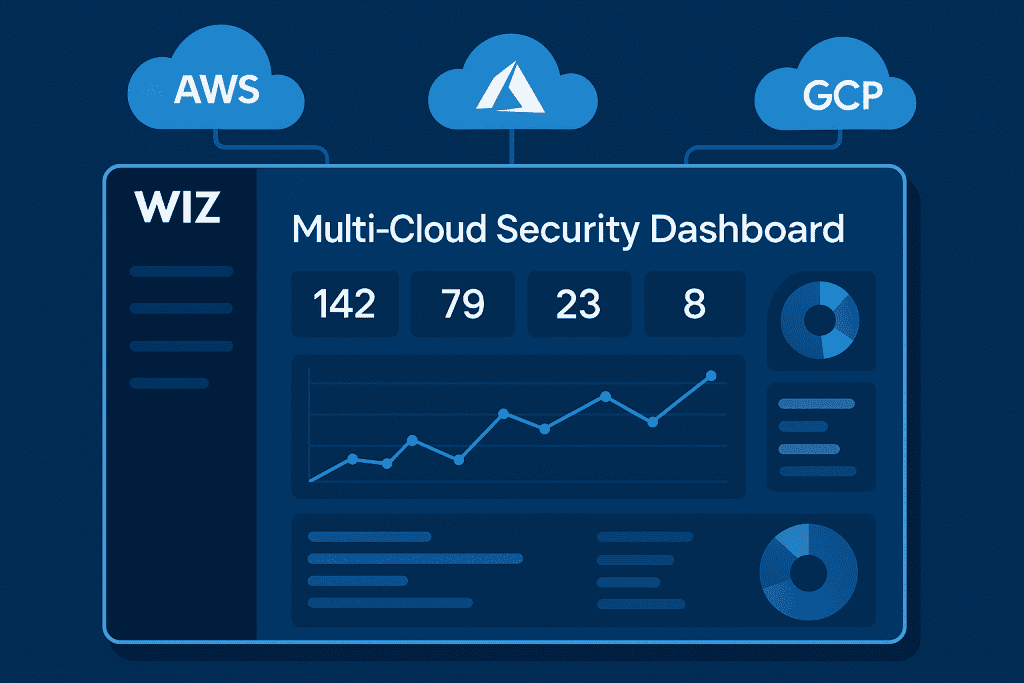
It also reinforces multicloud reality. Google specifically pointed to multicloud as a motivation, and that’s important because many enterprises run workloads across AWS, Azure, and Google Cloud for business, regulatory, and resiliency reasons. A strategy that acknowledges multicloud isn’t just modern—it’s necessary.
Industry-wide, the ripple effect is pressure. If Google turns this into a cleaner, more unified security experience, competitors will have to respond—either by accelerating their own native security offerings or by making similarly bold acquisitions. That’s how a single deal can reshape budgets, roadmaps, and vendor shortlists across the enterprise.
Bottom line: whether you love big tech consolidation or hate it, Wiz Security becoming central to Google Cloud is a sign that the “cloud wars” are evolving into “security wars”—and buyers will benefit most if it leads to simpler security operations and faster risk reduction.
Quotes or Statements
“With Wiz, we’re not just securing the cloud—we’re securing the future.” — Sundar Pichai, CEO, Alphabet Inc.
“Joining Google accelerates everything we set out to do. It’s the ultimate validation of our vision.” — Assaf Rappaport, CEO, Wiz
“This deal shows where cloud security is headed: simple, scalable, and smart.” — Cybersecurity Industry Analyst
The news sparked a massive reaction on social media. Here’s a viral tweet that captured the buzz within hours of the announcement. Twitter was ablaze with hot takes, memes, and investor speculation.
Conclusion
While the deal is still pending final approvals, both companies are laying the groundwork for integration. Expect joint research initiatives, expanded data center protection, and the potential for Wiz Security to remain a standalone service under the Google umbrella.
Some experts predict Wiz Security will help Google create a new gold standard in cloud data security programs—possibly even expanding to consumer-level offerings in the future.
Resources
- Google Blog. Google Agreement to Acquire Wiz
- The Verge. Google Acquires Wiz for $32 Billion
- Bloomberg. Google Buys Cloud Security Firm Wiz
- YouTube. Watch the Official Announcement
- Twitter. Community Reactions