
Recent developments in Social Engineering within the cybersecurity industry show just how fast these people-focused attacks are evolving. From smarter phishing emails to deepfake voice scams, Social Engineering is becoming more convincing, more personal, and far more dangerous for businesses and everyday users. That is why awareness matters so much right now. For cybersecurity professionals, business leaders, and regular employees, understanding Social Engineering is no longer optional. It is a practical skill that can prevent costly mistakes, data loss, and serious damage to trust.
What Happened
The biggest shift in Social Engineering is that attackers are no longer relying on clumsy, obvious tricks. Today’s scams are polished, targeted, and emotionally intelligent. Cybercriminals study behavior, copy writing styles, fake familiar voices, and build convincing stories that pressure people into acting fast. In many recent cases, Social Engineering has appeared through phishing emails, fake IT requests, fraudulent payroll updates, text scams, malicious QR codes, and even AI-generated audio that sounds like a real executive or manager.
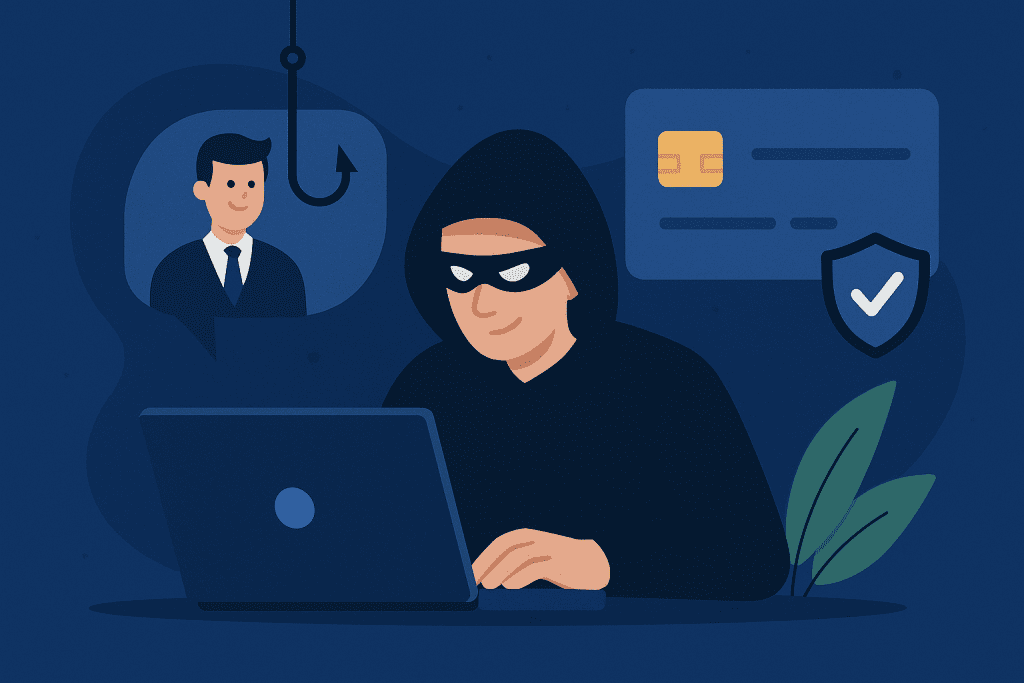
What makes this especially alarming is that it does not need to “hack” a firewall in the traditional sense. It slips in through human trust. That is what makes it both simple and devastating. Attackers know people get busy, distracted, and emotionally reactive. A message that creates urgency or fear can bypass careful thinking in seconds. As a result, Social Engineering has become one of the most talked-about threats in cybersecurity because it targets the one thing every company depends on: human decision-making.
When and Where
The rise of Social Engineering has become especially visible over the last several years as remote work, digital communication, and mobile access have expanded. These attacks now happen everywhere people interact online: in inboxes, messaging apps, social media platforms, collaboration tools, online marketplaces, and even video calls. Social Engineering no longer belongs to one industry or one region. It affects finance teams, healthcare workers, schools, government offices, small businesses, and families at home. Wherever people trust messages, click links, answer calls, or share information, Social Engineering has room to operate.
What makes this trend more concerning is how naturally these attacks now fit into everyday routines. A fake password reset can arrive during a busy workday. A scam text can appear while someone is commuting. A fraudulent voice message can sound completely normal during a rushed afternoon meeting. Social Engineering thrives in moments when people are distracted, multitasking, or emotionally pressured. It can happen inside a corporate office, a home workspace, a coffee shop, or even while someone is checking notifications in line at a grocery store. Because digital life now moves across so many devices and platforms, it has become easier for attackers to launch and harder for ordinary users to spot immediately.
Who is Involved
A wide range of people are involved in the growing conversation around Social Engineering. Cybercriminals are the obvious drivers, but cybersecurity experts, ethical hackers, security trainers, and IT departments are the ones working hard to expose these tactics and teach people how to respond. Well-known figures such as Kevin Mitnick and Rachel Tobac have helped bring attention to how Social Engineering works in real life. Organizations, business leaders, and employees also play an important role, because stopping Social Engineering depends on awareness at every level, not just inside security teams.
There is also a broader network involved behind the scenes. Human resources teams help reinforce policies around sensitive requests, finance departments are often targeted by invoice and payment scams, and customer service teams frequently face impersonation attempts from outsiders trying to gain access to accounts or data. Executives are involved too, especially because attackers often impersonate senior leaders to pressure employees into acting quickly. Even everyday staff members become part of the defense when they learn how to question suspicious requests and verify unusual messages. In many ways, it is not just a cybersecurity issue for technical professionals. It is a workplace-wide challenge that involves communication, judgment, leadership, and shared responsibility.
Why It Matters
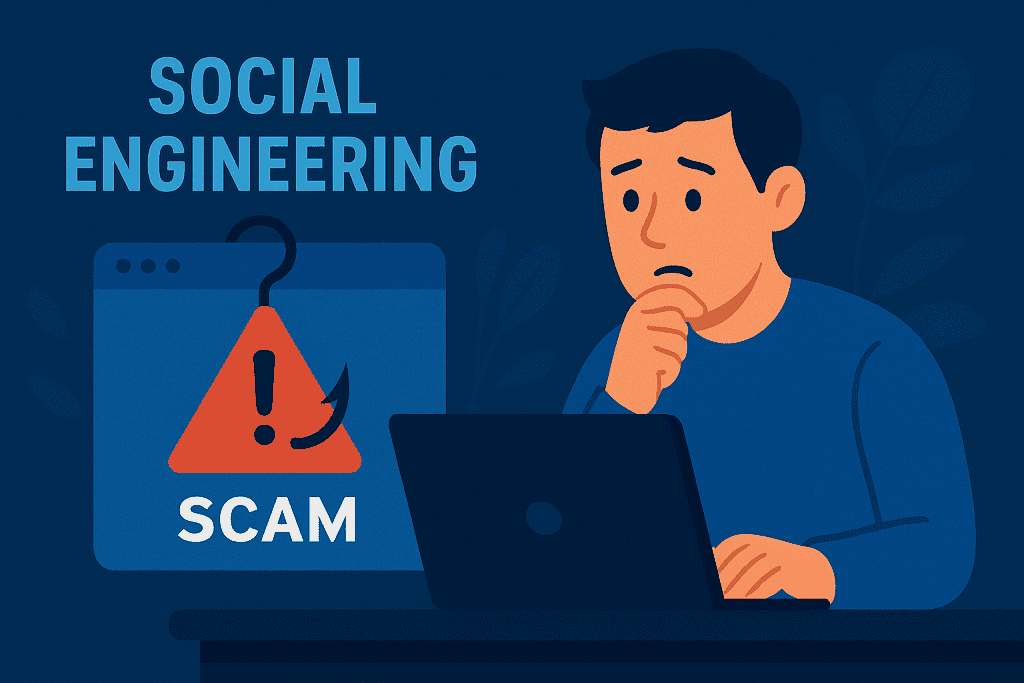
Social Engineering matters because it turns ordinary human instincts into security weaknesses. Trust, curiosity, respect for authority, and the desire to solve problems quickly are usually good traits. But in the hands of an attacker, those same instincts become openings. A rushed employee might click a fake invoice link. A helpful worker might reply to a scammer posing as IT support. A nervous user might hand over sensitive information just to avoid a supposed problem. That is why Social Engineering is so effective: it feels personal, believable, and urgent.
In the cybersecurity world, the consequences are serious. It can lead to stolen credentials, financial fraud, ransomware infections, data breaches, and damaged reputations. A single successful deception can affect thousands of customers or employees. It also creates a difficult challenge for businesses, because technology alone cannot fully stop manipulation. Firewalls and antivirus tools matter, but they cannot always stop someone from being tricked. That is why awareness, verification habits, and regular training are essential. In simple terms, Social Engineering matters because one small moment of misplaced trust can become a very expensive lesson.
Quotes or Statements
Recent developments in Social Engineering within the cybersecurity industry show just how fast these people-focused attacks are evolving. From smarter phishing emails to deepfake voice scams, Social Engineering is becoming more convincing, more personal, and far more dangerous for businesses and everyday users. That is why awareness matters so much right now. For cybersecurity professionals, business leaders, and regular employees, understanding Social Engineering is no longer optional. It is a practical skill that can prevent costly mistakes, data loss, and serious damage to trust.
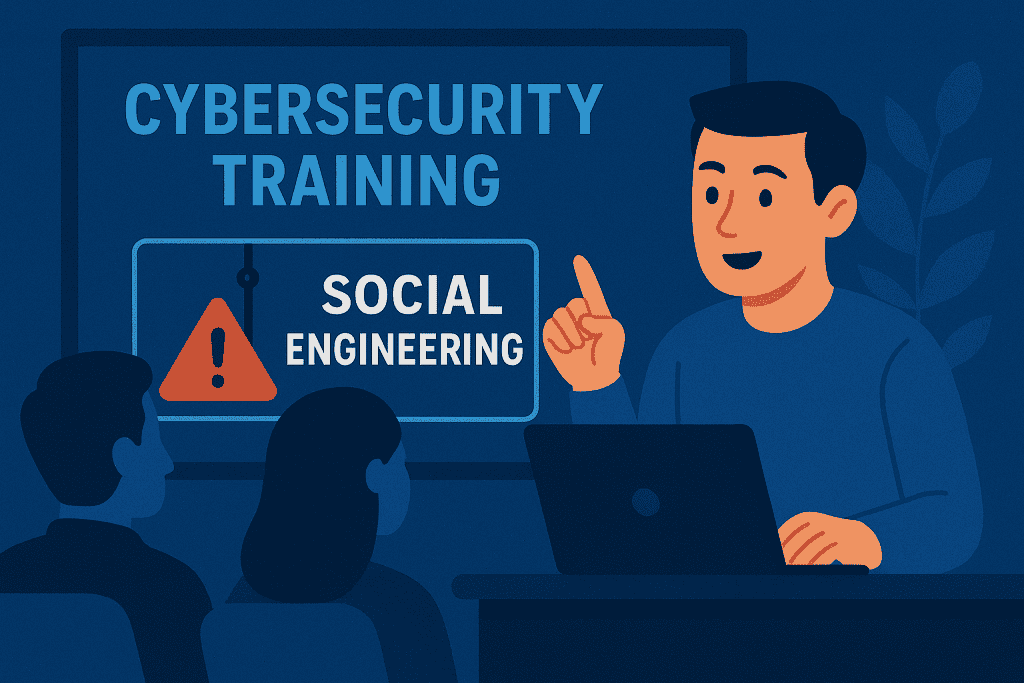
Security experts have been warning about it for years. Kevin Mitnick, former hacker and cybersecurity consultant, famously said, “People are the weakest link in security.” That quote still resonates because Social Engineering succeeds by targeting behavior rather than machines. Rachel Tobac, a well-known security specialist, has also repeatedly emphasized that attackers manipulate trust, urgency, and routine to get what they want. These statements matter because they remind us that Social Engineering is not just about suspicious links or fake emails. It is about psychology, timing, and the art of making harmful requests seem normal.
Conclusion
The rise of Social Engineering is a reminder that modern cybersecurity is not only about software and systems. It is also about people, habits, and awareness. As scams become more polished and more personal, businesses and individuals need to stay alert, ask questions, and verify before reacting. The future of Social Engineering will likely involve even more convincing impersonation tactics, especially with AI in the mix. That makes education, caution, and consistent awareness the best defense against a threat designed to look trustworthy.
Resources
- Brit Insurance. The Rise and Rise of Social Engineering
- Mindsight. The Rise of Social Engineering: Challenges & Cybersecurity Report
- Vaadata. How to Increase Risk Awareness to Prevent Social Engineering Attacks
- AwareGo. Social Engineering and Information Security Awareness
- YouTube. The Rise of Social Engineering: Why Awareness Is Critical