
The first time I saw a “smart” crosswalk adapt its signal timing in real time, I felt that little spark of hope you get when tech is actually… helpful. But right after that came the uncomfortable thought: what if someone hacks this? That’s the tension modern cities live with—innovation on one side, risk on the other.
In this review-style guide, I’m breaking down Cybersecurity for Smart Cities in a way that feels practical (not preachy). We’ll look at what makes these connected systems so valuable, why they’re also tempting targets, and what cities can do right now to protect traffic systems, utilities, public Wi-Fi, and the data that quietly powers daily life. If you’re planning, managing, or funding city tech, this is for you.
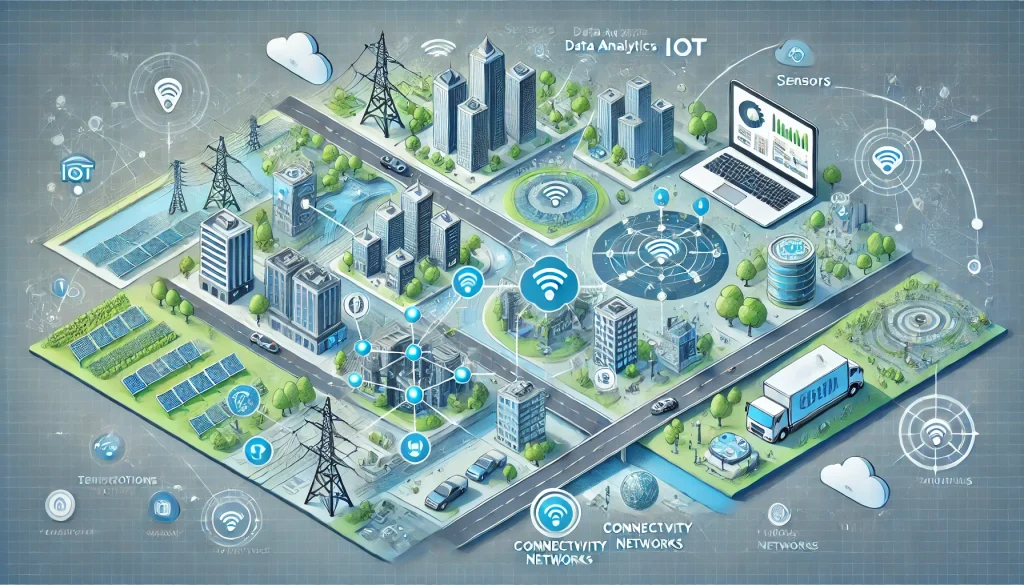
Overview of Cybersecurity for Smart Cities
At its core, Cybersecurity for Smart Cities is about protecting the digital “nervous system” of an urban environment—IoT sensors, control systems, analytics platforms, and the networks that tie them together. These systems can improve safety and efficiency, but the more connected a city becomes, the larger the attack surface gets (a point highlighted in global smart-city security discussions).
Key building blocks you’ll see in most programs for Cybersecurity for Smart Cities:
- IoT and edge devices: sensors, cameras, meters, parking systems, signal controllers
- Data platforms: dashboards, analytics engines, digital twins
- Networks: fiber/5G/Wi-Fi, device-to-cloud communication
- Operations: SOC monitoring, incident response, vendor management
- Governance: policies, risk management, privacy requirements
The big goal: keep services reliable, keep citizen data private, and keep critical systems resilient—even when attackers try to shake the city.
In-Depth Analysis of Cybersecurity for Smart Cities
Smart city tech is exciting, but Cybersecurity for Smart Cities can’t be an afterthought. Security has to be designed in, purchased in, and operated daily—because “set it and forget it” doesn’t exist anymore. Major guidance from national and international partners emphasizes balancing innovation with cybersecurity and privacy protections.
Design and Architecture
With Cybersecurity for Smart Cities, architecture matters more than shiny features. A city is a system of systems—transportation, utilities, emergency services, and admin networks all touching each other. Deloitte describes smart-city ecosystems in layers (edge, core, communication) and notes how the cyber and physical worlds converge—raising risk if segmentation and controls are weak.
Practical moves:
- Segment networks so a compromised sensor can’t reach critical control systems.
- Require secure defaults in procurement (unique creds, encryption, logging).
- Treat vendors like part of your security perimeter (because they are).
Functionality and Daily Operations
The “work” of Cybersecurity for Smart Cities is mostly operational: patching, monitoring, responding, and continuously improving. The challenge is that many IoT devices are hard to patch and easy to forget—until they become the doorway into something bigger.
Add these habits:
- Continuous asset inventory (you can’t protect what you can’t see).
- Routine vulnerability scanning and configuration checks.
- Centralized logging with alerts that staff can actually triage.
Privacy, Trust, and Citizen Impact
Here’s where Cybersecurity for Smart Cities becomes personal. Data about movement, energy use, cameras, and behavior patterns can be incredibly sensitive. A breach isn’t just a “technical incident”—it’s a trust event. When residents feel watched or exposed, adoption drops, political support fades, and smart projects stall. Strong privacy practices and transparent governance make security feel like a public service, not a barrier.
And yes—modern attackers also mix chaos and deception: Deepfake can spread false emergency updates, while Cyber Threats can target both data and physical services.

Cybersecurity for Smart Cities comparison
To make Cybersecurity for Smart Cities easier to evaluate, it helps to compare it with traditional enterprise cybersecurity. Enterprises protect data and apps; cities must protect data and essential public services—often with older systems, diverse vendors, and public accountability.
In Cybersecurity for Smart Cities, “downtime” is different:
- A corporate outage hurts revenue.
- A city outage can disrupt water services, traffic control, or emergency response.
Also, smart cities typically have:
- More device types (meters, cameras, controllers, sensors)
- More stakeholders (agencies, contractors, telecoms, utilities)
- More public exposure (open data portals, public Wi-Fi, signage)
Comparison Table
| Category | Traditional Enterprise Security | Cybersecurity for Smart Cities |
|---|---|---|
| Core priority | Business continuity | Public safety + service continuity |
| Main assets | Servers, endpoints, apps | IoT/OT + networks + data platforms |
| Threat impact | Financial/reputational | Safety, infrastructure, trust |
| Vendor complexity | High | Very high (multi-agency + utilities) |
| Typical constraints | Budget + staffing | Budget + staffing + legacy + politics |
If your city already has strong enterprise controls, that’s a head start—but Cybersecurity for Smart Cities still needs OT/IoT-specific controls and governance.
Cybersecurity for Smart Cities Pros and Cons
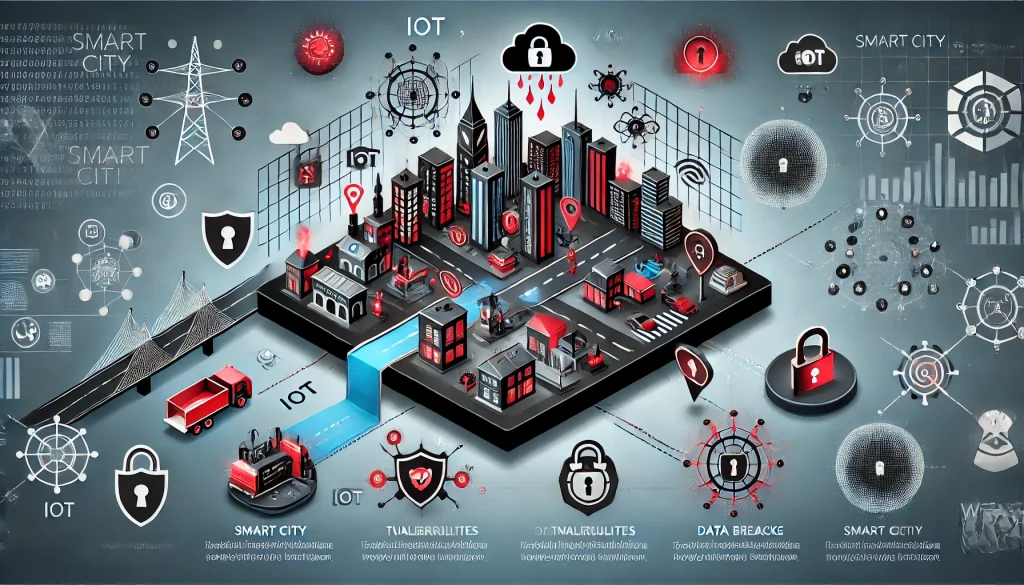
Quick reality check: Cybersecurity for Smart Cities is absolutely worth doing—but it comes with tradeoffs you should plan for, not “discover” mid-project.
| Pros | Cons |
|---|---|
| Protects critical services and public safety | Requires continuous funding and staffing |
| Builds citizen trust through reliability | Legacy systems complicate integration |
| Reduces incident recovery costs over time | Vendor sprawl increases oversight burden |
| Supports safer innovation and data use | Hard-to-patch IoT devices persist |
| Enables faster detection and response | Governance can be slow across agencies |
Conclusion

If there’s one takeaway, it’s this: Cybersecurity for Smart Cities isn’t a single project—it’s a long-term operating mindset. The best programs treat security like road maintenance: ongoing, visible, and planned into every upgrade. Start with the basics (inventory, segmentation, encryption, patching), then build maturity through monitoring, drills, vendor governance, and clear accountability.
Smart-city technology can absolutely make urban life smoother and safer—but only if the city’s digital foundation is resilient. When you do Cybersecurity for Smart Cities well, you’re not “slowing innovation.” You’re making innovation dependable enough to earn public trust.
Cybersecurity for Smart Cities rating
Before giving a rating, I look for one thing: is security built into procurement and operations? When Cybersecurity for Smart Cities includes segmentation, incident response drills, and vendor accountability, it’s a strong 4.6/5.
Rating: 4.6 / 5
FAQ
Why is cybersecurity important for smart cities?
Cybersecurity protects critical infrastructure, data, and services in smart cities from cyberattacks, ensuring safety and reliability.
What are the biggest cybersecurity threats to smart cities?
IoT device vulnerabilities, data breaches, and unsecured networks pose the greatest threats to smart city infrastructure.
How can smart cities improve their cybersecurity?
Implement strong IoT security, secure networks, encrypt data, and develop collaborative security frameworks to enhance protection.
Resources
- MDPI. Cybersecurity for Smart Cities: Challenges and Solutions
- CISA. Cybersecurity Best Practices for Smart Cities
- World Economic Forum. This is How We Secure Smart Cities
- ResearchGate. Securing the Smart City: A Review of Cybersecurity Challenges and Strategies
- Deloitte. Making Smart Cities Cyber Secure