
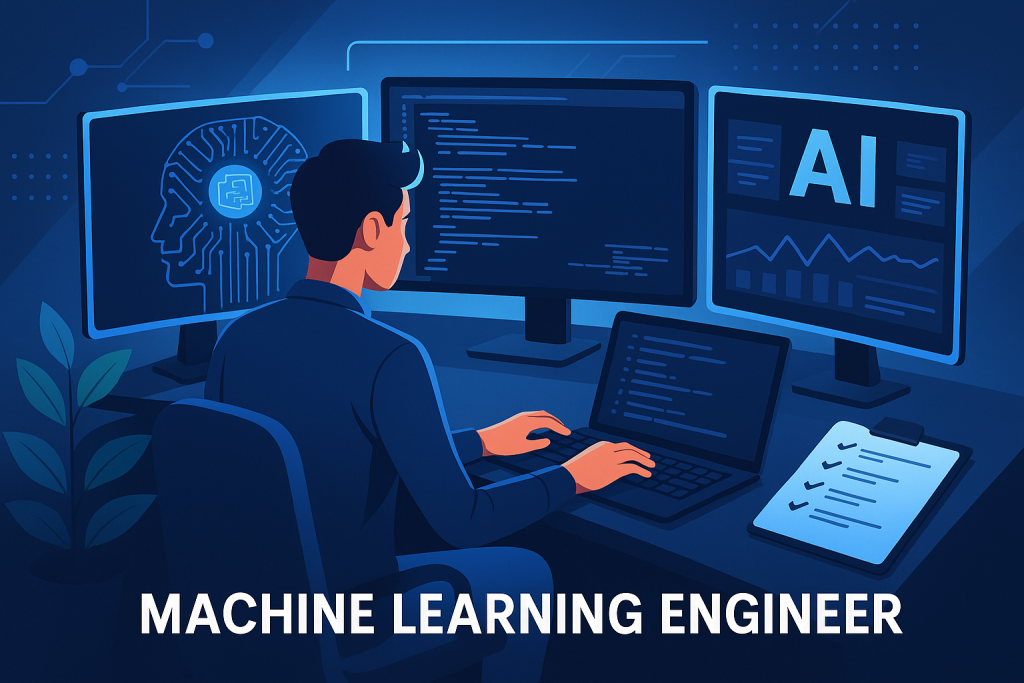
Artificial intelligence (AI) is shaping industries, transforming everyday life, and redefining futuristic technology. At the heart of these advancements are machine learning engineers, professionals responsible for developing and refining AI systems. Their expertise in data science, programming, and algorithms enables machines to learn, adapt, and improve without direct programming.
With AI-driven innovations growing at an unprecedented pace, the role of machine learning engineers has never been more crucial. From self-driving cars to IoT devices, their work fuels breakthroughs in multiple sectors. This article explores how these engineers drive AI advancements, what skills they need, and the future of this exciting field.
In today’s digital economy, organizations are collecting massive amounts of data every second. However, raw data alone has little value unless it can be transformed into actionable insights. This is where a machine learning engineer becomes essential. They design systems that can detect patterns, automate decisions, and continuously improve performance. Their work is not limited to building models—it also involves making AI practical, scalable, and reliable for real-world use.
The Rise of Machine Learning Engineers
The demand for machine learning engineers has skyrocketed due to the rapid growth of AI applications. With the increasing reliance on advanced technology, businesses need experts to build intelligent systems that analyze data, make predictions, and optimize processes.
Unlike traditional software engineers, machine learning engineers specialize in algorithms that enable systems to improve automatically. They leverage frameworks like TensorFlow and PyTorch, using large datasets to refine AI models. Their expertise extends beyond coding; they must understand mathematics, statistics, and deep learning to create efficient solutions.
One of the biggest reasons for this surge is that AI is no longer experimental. Companies across healthcare, banking, retail, and logistics are actively deploying machine learning tools to stay competitive. For example, hospitals use AI for early disease detection, while financial firms rely on machine learning to identify fraud in real time. Machine learning engineers are the professionals ensuring these systems operate accurately and securely.
Additionally, the rise of generative AI and large language models has further expanded opportunities in this field. Engineers are now working on advanced applications such as AI copilots, automated content generation, and intelligent virtual assistants. These new developments require deeper expertise in neural networks, data pipelines, and responsible AI practices.
Key Features of a Machine Learning Engineer’s Role
Machine learning engineers contribute to AI advancements through various tasks, including:
- Developing AI Models – They create and train AI models using real-world data.
- Data Preprocessing – Cleaning and structuring data to improve machine learning performance.
- Algorithm Optimization – Enhancing model efficiency to ensure accurate predictions.
- Deployment & Monitoring – Implementing AI systems into production environments and continuously improving them.
- Collaboration – Working with data scientists, software engineers, and business analysts to achieve AI-driven solutions.
The versatility of machine learning engineers makes them essential to AI development across industries such as healthcare, finance, robotics, and cybersecurity.
Beyond these responsibilities, machine learning engineers also focus heavily on infrastructure. They build pipelines that automate data collection, model training, testing, and deployment. Without this foundation, even the most advanced AI model cannot be effectively used in production.
They also play a major role in ensuring AI systems remain stable after deployment. Models often degrade over time due to changes in real-world data, a challenge known as “data drift.” Engineers monitor performance, retrain models when necessary, and maintain reliability to ensure AI continues delivering value.
What’s New in Machine Learning Engineering?

As AI evolves, so do the trends in machine learning. Recent advancements include:
- AutoML – Automating the creation of AI models, reducing manual effort.
- Explainable AI (XAI) – Making AI decisions more transparent and interpretable.
- Edge AI – Running AI models directly on devices rather than relying on cloud computing.
- AI Ethics – Increasing focus on fairness, bias reduction, and responsible AI development.
These innovations push the boundaries of futuristic technology, making AI more accessible and ethical.
Another major trend is the growth of MLOps, which combines machine learning with DevOps practices. MLOps helps organizations deploy models faster, track experiments, and ensure reproducibility. As companies scale their AI systems, machine learning engineers are expected to understand tools like Kubernetes, MLflow, and CI/CD pipelines.
Moreover, AI regulation is becoming a global priority. Governments and institutions are introducing rules to ensure machine learning systems are transparent, safe, and unbiased. Engineers must now consider compliance and accountability as part of the development lifecycle.
Updates About Machine Learning Engineer Salaries
With AI in high demand, they enjoy competitive salaries. According to industry reports:
- The average salary for a machine learning engineer in the U.S. is $120,000–$160,000 per year.
- Experienced professionals, especially those working on cutting-edge AI projects, earn even higher salaries.
- Tech hubs like Silicon Valley, New York, and Seattle offer the most lucrative opportunities.
- Entry-level positions start at $90,000–$110,000, depending on experience and location.
With businesses prioritizing AI integration, salary growth in this field is expected to continue.
Salary growth is also influenced by specialization. Engineers with expertise in deep learning, natural language processing (NLP), and computer vision often command higher compensation. Similarly, professionals who understand cloud platforms like AWS, Azure, or Google Cloud tend to have more job opportunities and better earning potential.
Remote work has also expanded the market. Many companies now hire machine learning engineers globally, allowing talent from different regions to access competitive salaries without relocating. This makes the career even more appealing for aspiring AI professionals worldwide.
What’s Next for Machine Learning Engineers?
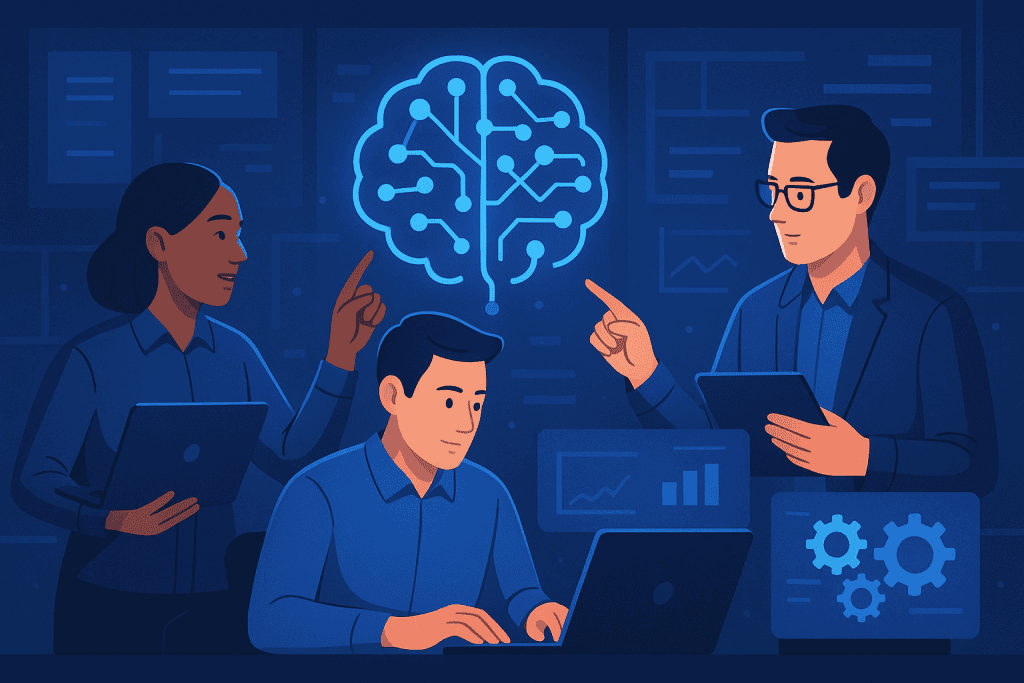
The future of machine learning engineering is promising, with significant innovation on the horizon. As AI systems become more advanced, engineers will focus on:
- AI-powered automation – Reducing the need for manual coding.
- Quantum Machine Learning – Harnessing quantum computing for faster model training.
- Personalized AI – Enhancing user experiences through hyper-personalized recommendations.
- Sustainable AI – Reducing the environmental impact of AI training.
These advancements will shape industries, making AI even more integrated, powerful, and responsible.
Machine learning engineers will also contribute to the development of AI agents—systems capable of completing complex tasks independently. These agents may transform business operations, research, and even education by handling workflows that currently require human effort.
Another key direction is sustainable model development. Training large AI models consumes significant energy, so engineers will increasingly focus on efficiency, lightweight architectures, and greener computing solutions. Responsible innovation will become just as important as technical progress.
Conclusion
Machine learning engineers are the driving force behind AI’s rapid progress. Their ability to design, optimize, and implement intelligent systems directly impacts the way businesses and individuals interact with technology. With new inventions emerging regularly, these professionals remain at the forefront of AI innovation.
As AI becomes more autonomous, ethical, and efficient, the need for advanced technical expertise will only grow. Whether it’s developing self-learning algorithms or addressing AI ethics, skilled professionals play a critical role in ensuring that AI continues to revolutionize industries.
For those interested in AI careers, this field offers a promising path with high salaries, limitless opportunities, and an exciting future. The world of AI is evolving—are you ready to be part of it
Resources
- Career Explorer. Machine Learning Engineer Career Overview.
- Geeks for Geeks. Introduction to Machine Learning.
- Machine Learning Help. What Does a Machine Learning Engineer Do?.
- Neptune AI. Top Machine Learning Influencers.
- Teal HQ. Machine Learning Engineer Career Path.