
If you’ve ever sold a piece of digital art, music, or collectibles online and thought, “I wish I could earn every time this gets resold,” then NFT Royalties are about to become your favorite concept in Cryptocurrency.
A few years ago, creators had no control once their work changed hands. I remember a digital artist friend who sold a piece for $300. Months later, it resold for $15,000. He didn’t see a cent. That’s exactly the problem NFT Royalties were built to solve.
In simple terms, NFT Royalties allow creators to earn a percentage every time their NFT is resold on the secondary market. For artists, musicians, game developers, and even brands, this changes everything. It turns a one-time sale into an ongoing income stream.
In the fast-moving world of Cryptocurrency, knowing how to maximize NFT Royalties isn’t just helpful. It’s essential. Whether you’re a creator or an industry professional, understanding how to structure, protect, and optimize your royalties can dramatically increase your long-term earnings.
Tools Needed
Before you start working to maximize NFT Royalties, you’ll need a few essentials. Think of this as setting up your digital toolkit.
First, you need a crypto wallet such as MetaMask. This is where your earnings will go. Second, you’ll need access to an NFT marketplace that supports royalty structures. Not all platforms enforce them equally, so choose wisely. Third, you’ll need your digital asset, whether that’s artwork, music, or collectibles.
A basic understanding of Blockchain technology also helps. You don’t need to code, but you should understand how smart contracts execute royalty payments.
Here’s a quick overview:
| Tool/Material | Purpose |
|---|---|
| Crypto Wallet | Stores earnings from NFT Royalties |
| NFT Marketplace | Platform to mint and sell NFTs |
| Digital Asset | The content being tokenized |
| Smart Contract Settings | Defines royalty percentage |
| Gas Fees Budget | Covers transaction costs |
NFT Royalties Instructions
Step 1: Choose the Right Marketplace
Not all marketplaces treat NFT Royalties the same way. Some fully enforce creator royalties. Others make them optional for buyers.
Research platforms carefully. Look into their royalty enforcement policies and fee structures. Read user experiences. Check community forums. If you’re serious about long-term earnings, pick a marketplace that respects creator rights.
This decision alone can determine whether your NFT Royalties actually pay out consistently in the evolving Crypto Market.
Step 2: Set a Strategic Royalty Percentage
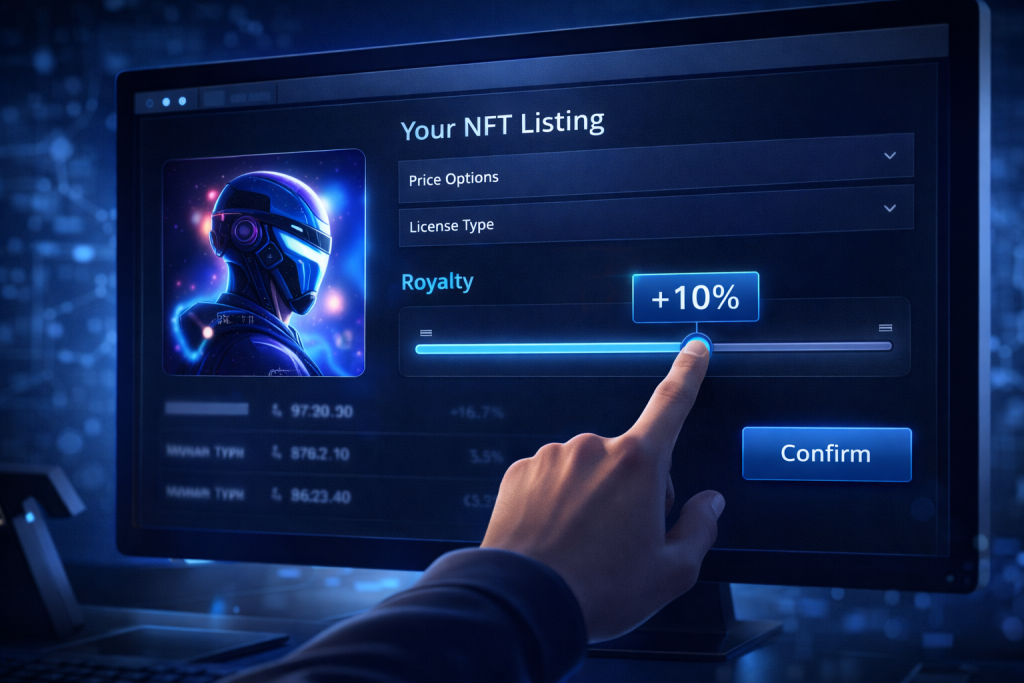
Most platforms allow you to set NFT Royalties between 2.5% and 10%. It’s tempting to choose the highest possible rate, but pause for a second.
If royalties are too high, traders may avoid your collection. If they’re too low, you leave money on the table.
I’ve seen creators settle comfortably around 5% to 7%. It keeps collectors happy while ensuring steady income. Study your niche, analyze your audience, and choose a number that supports both growth and sustainability within the Coin Market.
Step 3: Build Long-Term Value
NFT Royalties only matter if your NFT resells. And it will only resell if people believe it holds value.
Focus on storytelling. Create scarcity. Engage your community. Offer perks like private Discord access or early drops. When buyers feel connected, they’re more likely to trade and promote your work.
This is where Cryptocurrency becomes more than tech. It becomes community-driven commerce. The more demand you build, the more your NFT Royalties multiply over time.
Step 4: Understand Smart Contracts
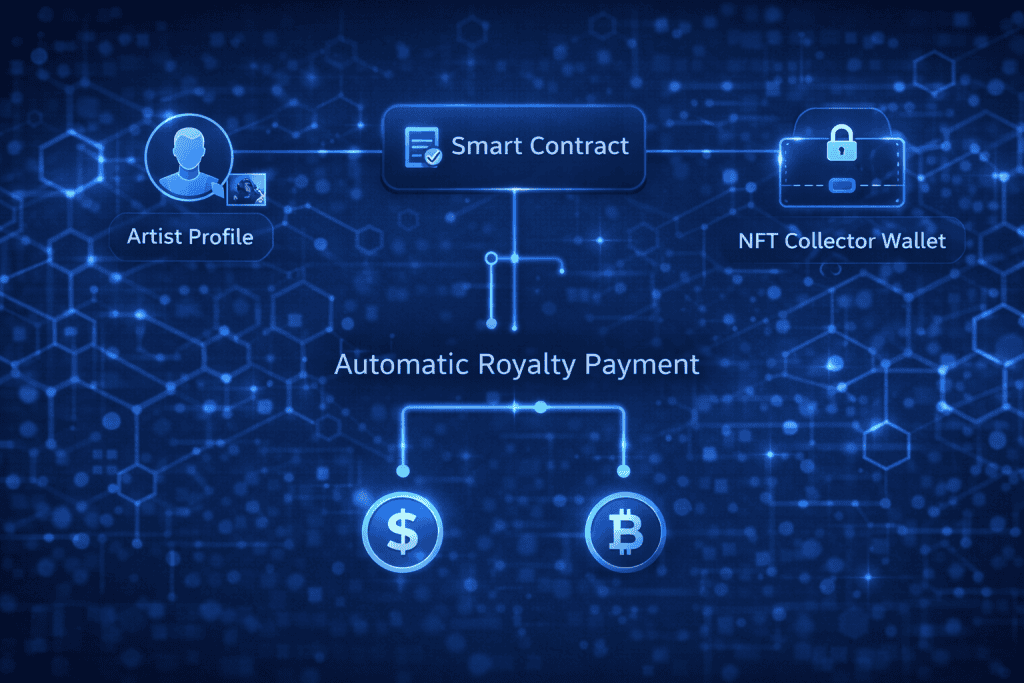
NFT Royalties are embedded in smart contracts. These automated programs execute payments when conditions are met.
You don’t need to become a developer, but understand what your contract includes. Some contracts allow royalty adjustments. Others are permanent once deployed.
Double-check the royalty address. One small mistake could send your earnings somewhere else. Take your time here. Precision matters in Cryptocurrency.
Step 5: Monitor Secondary Sales
Once your NFT is live, your job isn’t done.
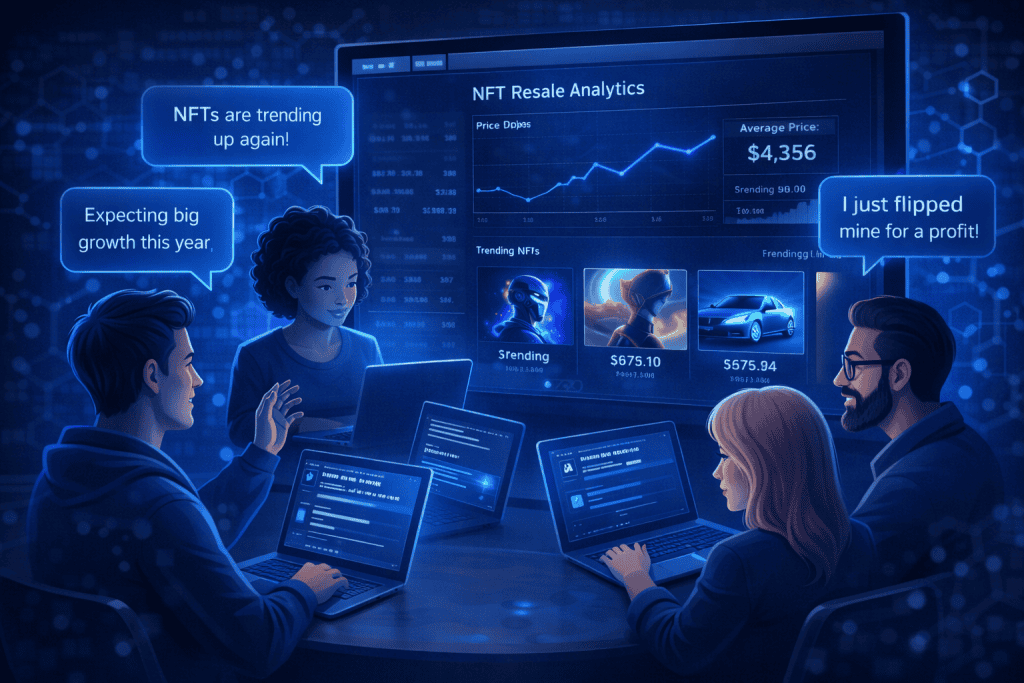
Track secondary sales. Watch trading volume. Analyze buyer behavior. Platforms often provide dashboards to view resale data.
When you notice increased activity, consider launching complementary drops. Strategic timing can boost visibility and push more resales, increasing NFT Royalties naturally.
Consistency and attention separate casual creators from professionals.
NFT Royalties Tips and Warnings
Maximizing NFT Royalties takes more than just setting a percentage. It requires strategy and awareness.
One major tip: diversify your presence. If one marketplace changes its royalty policy, your income could drop overnight. Spread your collections across reliable platforms.
Another tip is to build direct relationships with collectors. Loyal fans often respect royalty structures, even if enforcement becomes optional.
Also, stay informed. The Cryptocurrency space evolves quickly. Policy shifts, new standards, and protocol upgrades can impact how NFT Royalties function.
Be careful about hype cycles. During a bull run fueled by Bitcoin, resales surge. During slow periods, activity may decline. Plan your finances accordingly. Don’t treat royalty income as guaranteed.
From an Investment perspective, think long term. Sustainable projects outperform quick cash grabs.
Here are common mistakes to avoid:
| Mistake | Why It Hurts |
|---|---|
| Setting 10% without research | Discourages resellers |
| Ignoring contract details | Risk of incorrect payouts |
| Relying on one marketplace | Policy changes can reduce earnings |
| No community engagement | Low resale activity |
| Over-minting supply | Reduces scarcity |
Lastly, remember this: NFT Royalties depend on trust. If collectors believe in your work, they will continue trading it. If they feel exploited, they won’t.
Build credibility first. Profits follow.
Conclusion
NFT Royalties have transformed how creators earn in Cryptocurrency. Instead of relying on one-time sales, you can build an ecosystem that rewards you for years.
To maximize NFT Royalties, choose the right marketplace, set balanced percentages, understand your smart contracts, build genuine community value, and monitor secondary activity. Each step strengthens your earning potential.
This isn’t about chasing trends. It’s about creating sustainable digital income.
If you’re ready to take control of your creative future, start small. Mint thoughtfully. Engage consistently. Learn continuously.
The beauty of NFT Royalties is that they reward long-term thinking. And in the world of Cryptocurrency, that mindset often makes all the difference.
FAQs
What is the best royalty percentage to set for NFTs?
Typically, a royalty percentage between 5% and 10% is considered ideal. This strikes a balance between fair compensation for the creator and market demand.
Do all NFT platforms support royalties?
No, not all platforms support royalties. Marketplaces like OpenSea, SuperRare, and Rarible allow creators to set royalties, but it’s important to verify the marketplace’s terms.
How can I track my royalty payments?
Most NFT platforms provide detailed transaction histories, where you can view your royalty payments and secondary sales. Some creators also use blockchain explorers to verify transactions.