
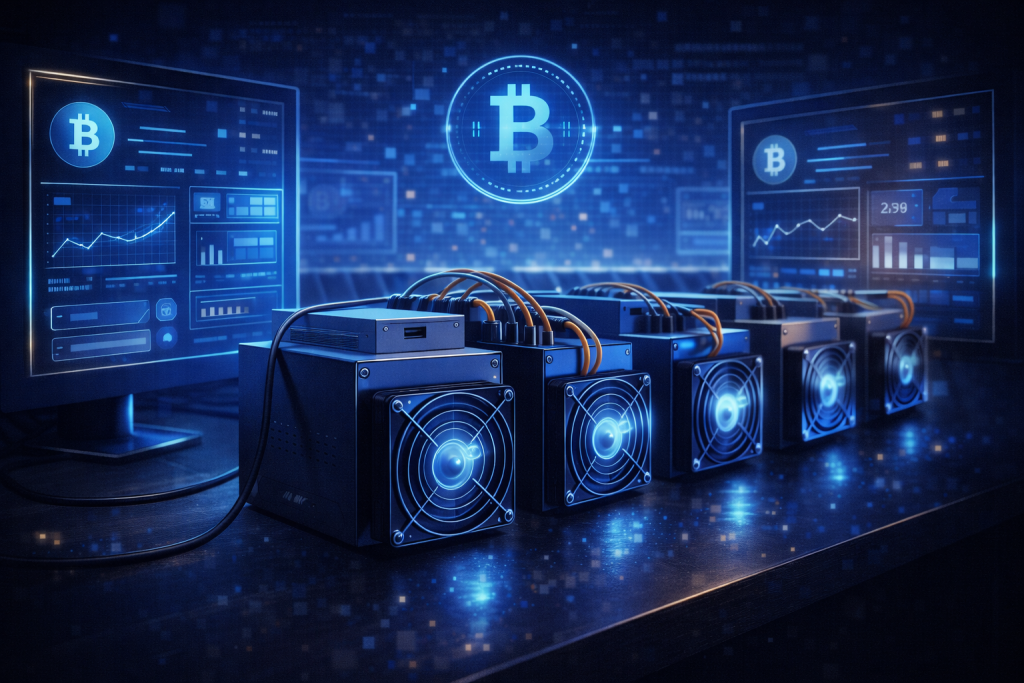
Getting started with Mining Bitcoin can feel like stepping into a secret club where everyone speaks in code. I remember the first time I looked into it. Words like hash rate, difficulty, and nodes were flying around, and I wondered if I needed a computer science degree just to understand the basics. The truth is, you don’t.
Mining Bitcoin is the process that keeps the cryptocurrency world running. It verifies transactions, secures the Blockchain, and releases new coins into circulation. Without miners, the system simply wouldn’t function. For fans of cryptocurrency and professionals in the Cryptocurrency space, learning how to start Mining Bitcoin opens the door to deeper technical knowledge and potential financial opportunity.
Whether you’re curious about earning rewards, supporting the network, or diversifying your Investment, this guide will walk you through every step. No complicated jargon. No overwhelming theory. Just clear, practical advice to help you begin with confidence.
Tools Needed
Before you dive into Mining Bitcoin, you need the right setup. This isn’t something you can realistically do on a basic laptop anymore. Early adopters could mine Bitcoin on home computers, but today’s environment is much more competitive.
Here’s what you’ll need:
- ASIC mining hardware (Application-Specific Integrated Circuit)
- Reliable and fast internet connection
- Mining software
- A Bitcoin wallet
- Access to affordable electricity
- Optional: Membership in a mining pool
| Tool/Material | Purpose |
|---|---|
| ASIC Miner | Performs complex calculations required for Mining Bitcoin |
| Mining Software | Connects your hardware to the network |
| Bitcoin Wallet | Stores your mining rewards securely |
| Internet Connection | Keeps your miner connected 24/7 |
| Mining Pool Membership | Combines computing power for better reward chances |
| Cooling System | Prevents hardware overheating |
If you’re serious about Mining Bitcoin, consider electricity costs first. It’s often the deciding factor between profit and loss.
Mining Bitcoin Instructions
Step 1: Research and Calculate Profitability
Before buying anything, sit down and run the numbers. When I first explored Mining Bitcoin, I almost purchased hardware on impulse. Thankfully, I paused and calculated electricity costs in my area.
Use online mining calculators to estimate potential earnings. Factor in hardware cost, power consumption, and current mining difficulty. The Crypto Market changes frequently, and profitability can swing quickly. Being realistic at this stage saves money and frustration later.
Step 2: Purchase the Right ASIC Miner
Not all machines are created equal. For Mining Bitcoin, ASIC miners are the gold standard because they are built specifically for the SHA-256 algorithm.
Look for models with strong hash rates and energy efficiency. Read reviews. Compare prices. Check warranty terms. It’s tempting to grab the cheapest option, but reliability matters more in the long run.
Step 3: Set Up Your Mining Space
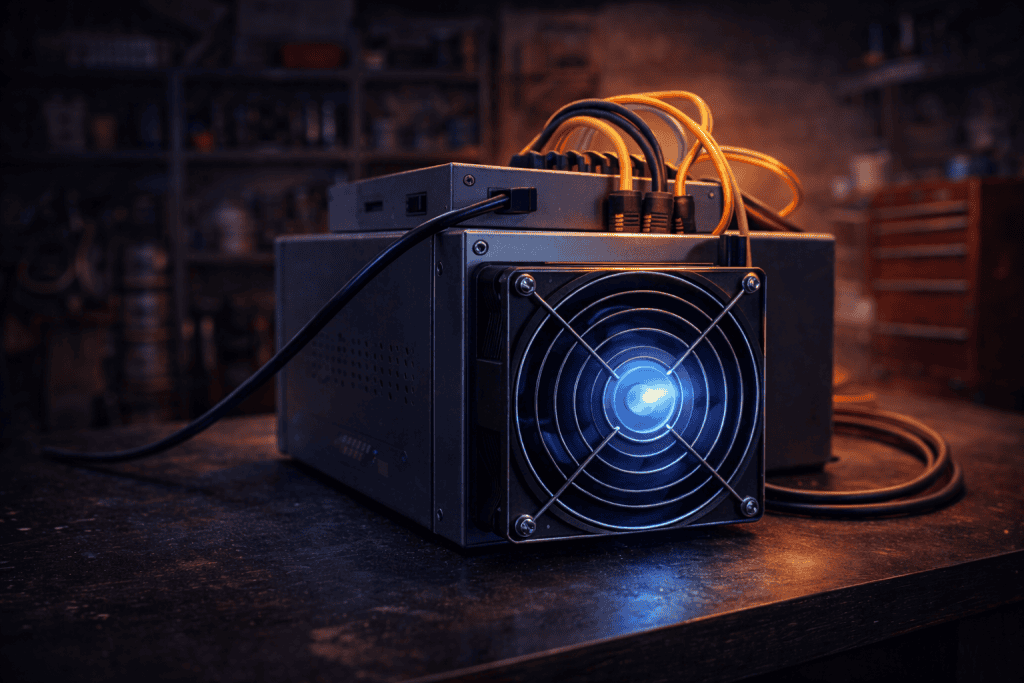
This part surprised me the most. Mining Bitcoin is loud and hot. ASIC machines sound like industrial fans and produce constant heat.
Choose a well-ventilated space. A garage or dedicated room works well. Make sure the electrical wiring can handle the load. Some miners even install extra cooling systems to maintain performance and extend hardware life.
Step 4: Install Mining Software
Once your hardware is ready, download compatible mining software. This software connects your machine to the Coin Market network and coordinates mining efforts.
Follow the setup instructions carefully. You’ll enter your wallet address and mining pool details. Double-check everything. A small typo in your wallet address could send rewards elsewhere.
Step 5: Join a Mining Pool
Solo Mining Bitcoin is possible but highly unpredictable. Most beginners join a mining pool.
A mining pool combines computing power from multiple participants, increasing the chances of solving blocks. Rewards are shared proportionally. It’s less risky and offers more consistent payouts.
Step 6: Connect to a Bitcoin Wallet
You need a secure wallet before rewards start coming in. Hardware wallets are generally safer than online wallets.
When Mining Bitcoin, security is critical. Protect your private keys. Enable two-factor authentication. Treat your wallet like a digital vault.
Step 7: Start Mining and Monitor Performance
Now comes the exciting part. Power on your machine and let it run.
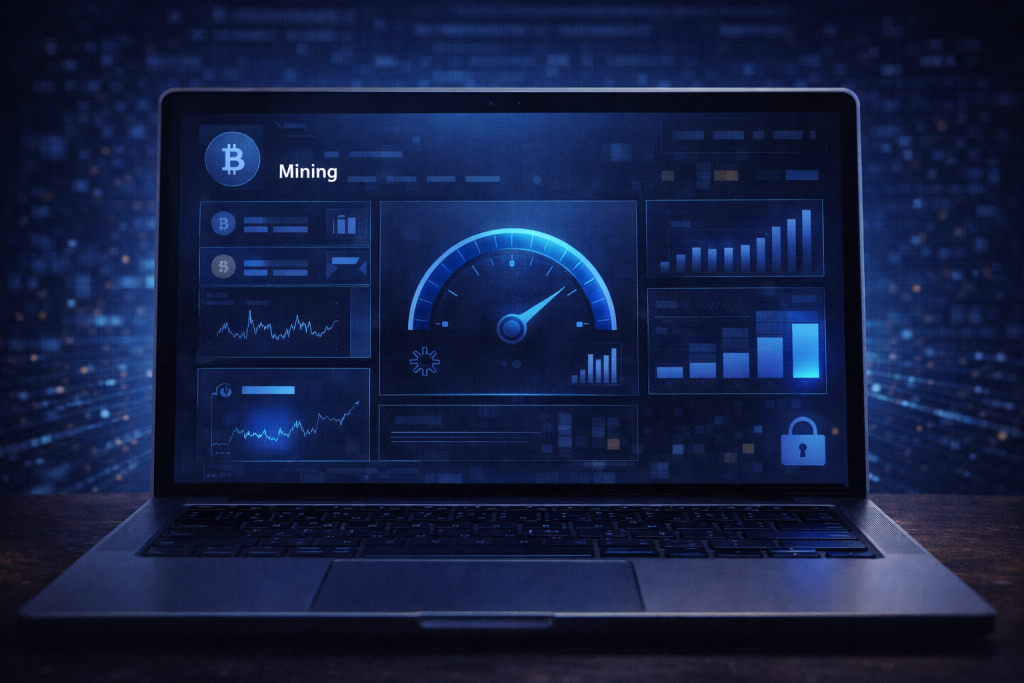
Monitor hash rate, temperature, and uptime regularly. Successful Mining Bitcoin requires consistent operation. Downtime equals lost opportunity. Check performance dashboards and adjust settings if necessary.
Mining Bitcoin Tips and Warnings
Mining Bitcoin can be rewarding, but it isn’t effortless money. It requires planning, patience, and constant monitoring.
First, always calculate electricity costs. Many beginners ignore this and focus only on potential earnings. Electricity is your biggest ongoing expense.
Second, stay informed about changes in mining difficulty. The network automatically adjusts, which affects profitability. What works today may not work six months from now.
Third, secure your setup. Cybersecurity threats are real. Use strong passwords and update firmware regularly.
Finally, understand tax regulations in your country. In many regions, mining rewards are taxable income.
Here’s a quick breakdown:
| Tip | Why It Matters |
|---|---|
| Track Electricity Usage | Prevents unexpected high bills |
| Update Software Regularly | Improves security and efficiency |
| Monitor Market Conditions | Impacts profitability |
| Avoid Overheating | Extends hardware lifespan |
| Keep Records | Helps with tax reporting |
Common mistakes include overestimating profits, ignoring maintenance, and failing to consider long-term hardware wear. Mining Bitcoin is competitive. Treat it like a business, not a hobby experiment.
Conclusion
Mining Bitcoin isn’t just about earning digital coins. It’s about participating in a decentralized financial system that runs without traditional banks. From researching profitability to setting up hardware and joining a pool, each step builds your understanding of how Cryptocurrency truly works.
If you approach Mining Bitcoin with realistic expectations and careful planning, it can become both an educational experience and a potential income stream. Start small. Learn continuously. Monitor your performance and adapt as conditions change.
The world of cryptocurrency is constantly evolving. By taking action today, you’re not just chasing rewards. You’re becoming part of the infrastructure that keeps the entire network alive.
FAQ
Is Mining Bitcoin profitable for beginners in the Cryptocurrency industry?
Mining Bitcoin can be profitable, but it depends heavily on electricity costs, hardware efficiency, and current network difficulty. Beginners in the Cryptocurrency space should calculate expenses carefully and consider joining mining pools for steady returns rather than relying on solo mining.
Can I start Mining Bitcoin at home with regular equipment?
Years ago, yes. Today, Mining Bitcoin requires specialized ASIC hardware. Standard home computers cannot compete with industrial-level mining farms. If you’re serious about entering the Cryptocurrency mining field, investing in proper equipment is necessary.
How does Mining Bitcoin support the Cryptocurrency ecosystem?
Mining Bitcoin validates transactions and secures the network. It prevents fraud and double spending while maintaining the integrity of the Blockchain. Without miners, the entire Cryptocurrency system would lose its foundation.
Resources
- KuCoin. How to Mine Bitcoin.
- Techopedia. How to Mine Bitcoin at Home.
- ECOS. A Beginner’s Guide to Starting Bitcoin Mining: Step-by-Step Instructions.
- Investopedia. Bitcoin Mining.
- ClearTax. How to Mine Bitcoin.