
A few years ago, I clicked a link I shouldn’t have.
It looked harmless. A delivery notification. Clean logo. Polite message. I was busy, distracted, and in a hurry. One click later, I had to reset passwords, freeze accounts, and spend hours untangling the mess.
That moment taught me something important: Cybersecurity Awareness isn’t just an IT department problem. It’s a life skill.
In today’s Cybersecurity landscape, protecting yourself online is as essential as locking your front door. From small business owners and remote workers to students and enterprise teams, everyone benefits from building strong Cybersecurity Awareness habits. It reduces the risk of data breaches, financial loss, and reputation damage. It also builds confidence. When you know what to look for, you stop feeling helpless.
This guide will walk you through exactly how to build practical, real-world Cybersecurity Awareness step by step. No jargon. No scare tactics. Just clear actions you can start today.
Tools Needed
Before you begin strengthening your Cybersecurity Awareness, gather a few simple tools. You likely already use most of them. The key is using them intentionally.
Strong Cybersecurity Awareness starts with preparation. Think of it like cooking. You can’t make a good meal without ingredients. In the same way, you can’t build good digital habits without the right setup.
Here’s what you’ll need:
| Tool or Material | Purpose |
|---|---|
| Password manager | Creates and stores strong, unique passwords |
| Two-factor authentication app | Adds an extra layer of login security |
| Updated operating system | Protects against known vulnerabilities |
| Reliable antivirus software | Detects malware and suspicious activity |
| Secure VPN service (e.g., Express VPN) | Encrypts internet traffic on public networks |
| Email filtering tools | Blocks phishing attempts |
| Regular data backup system | Prevents data loss during attacks |
You don’t need to be technical. You just need to commit to using these tools consistently.
Cybersecurity Awareness Instructions
Step 1: Assess Your Current Risk
Start by asking yourself a few honest questions.
Do you reuse passwords?
Do you click links before checking the sender?
Is your software overdue for a Windows Update?
Cybersecurity Awareness begins with self-awareness. Open your password manager or browser settings and review saved passwords. If you see the same password repeated across multiple accounts, that’s your first fix.
Think of this step as taking inventory. You can’t improve what you don’t measure.
Step 2: Strengthen Password Practices
Weak passwords are still one of the easiest ways attackers gain access. Yes, even in 2026.
Replace simple passwords with long passphrases. Something like:
“BlueCoffeeMugOnTuesdayMorning”
It’s easier to remember and harder to crack.
Use a password manager to generate and store them. This removes the temptation to reuse credentials. Good Cybersecurity Awareness means eliminating shortcuts that attackers rely on.
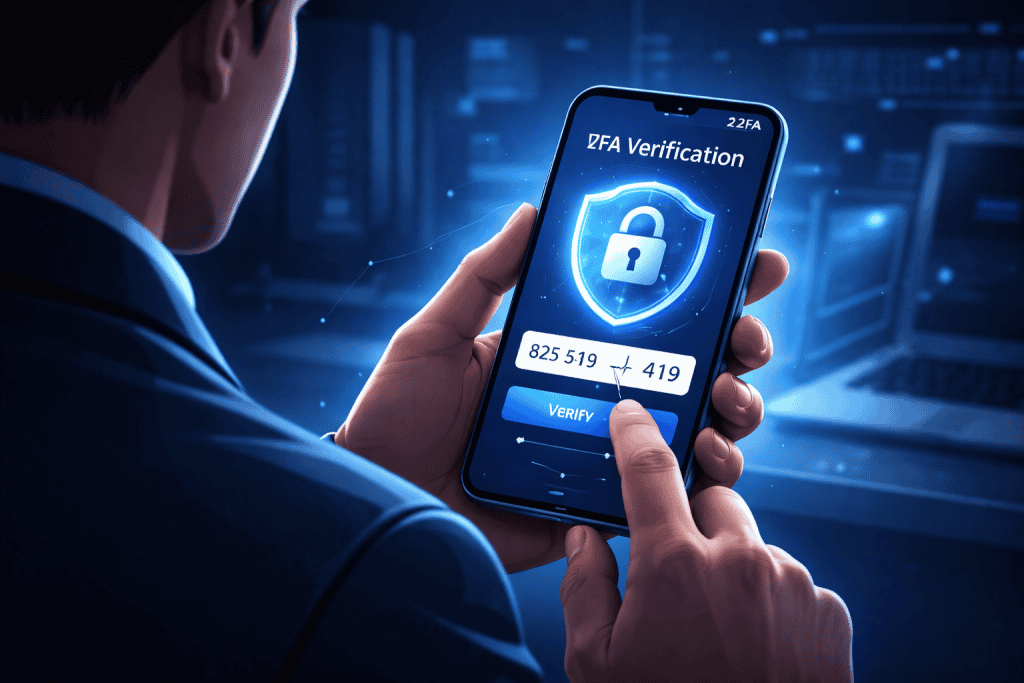
Step 3: Enable Multi-Factor Authentication Everywhere
If passwords are your lock, multi-factor authentication is your deadbolt.
Turn on two-factor authentication for email, banking, social media, and work systems. Most platforms offer app-based authentication, which is safer than SMS codes.
Cybersecurity Awareness means assuming passwords can leak. This second layer protects you when they do.
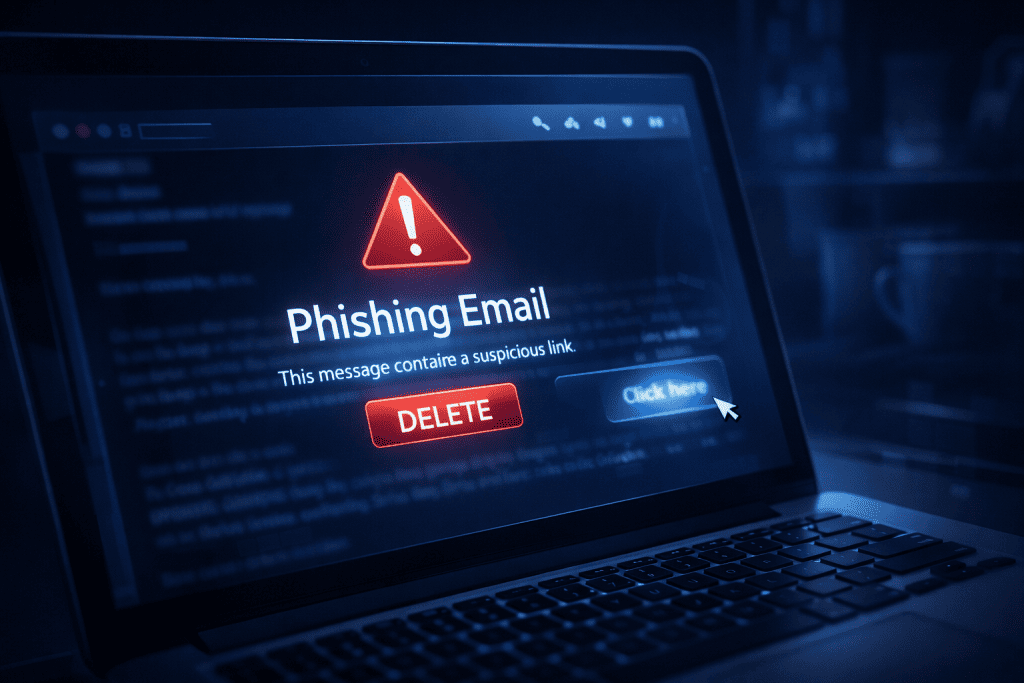
Step 4: Recognize Phishing and Social Engineering
Not all threats look obvious.
Modern Hacking techniques rely on psychology more than code. Messages create urgency. “Your account will be locked!” “Invoice attached.” “Click now.”
Pause. Check the sender’s address. Hover over links. Watch for strange spelling or tone.
Cybersecurity Awareness means slowing down. Most attacks succeed because people rush.
Step 5: Stay Updated on Emerging Risks
The world of Cyber Threats changes fast. What worked last year may not be enough today.
For example, criminals now use Deepfakes to impersonate executives or family members in video calls. Imagine receiving a video message from your boss asking for a quick wire transfer. It looks real. Sounds real. But it’s fake.
Cybersecurity Awareness includes staying informed about evolving tactics. Follow trusted cybersecurity blogs and updates regularly.
Step 6: Protect Your Network and Devices
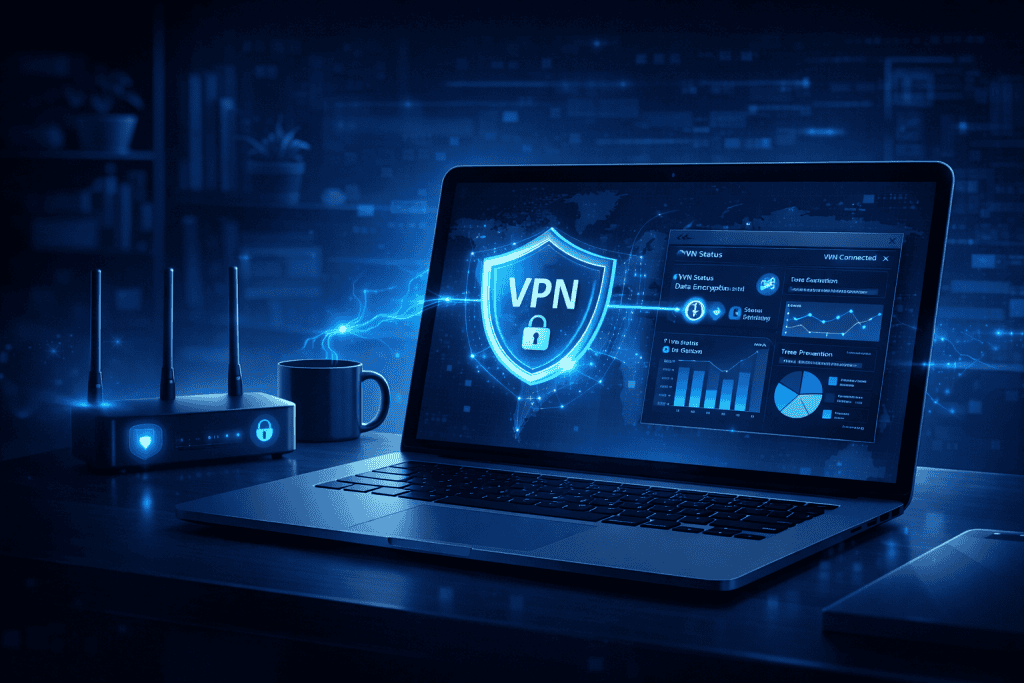
Avoid public Wi-Fi for sensitive transactions. If you must use it, connect through a VPN.
At home, change default router passwords. Disable features you don’t use. Update firmware regularly.
Cybersecurity Awareness extends beyond your laptop. Your entire digital environment matters.
Step 7: Back Up Data Consistently
Imagine losing years of photos or critical business documents overnight.
Ransomware attacks are rising, and recovery is expensive. Regular backups give you leverage. Store copies both in the cloud and offline.
Cybersecurity Awareness isn’t just about prevention. It’s about recovery readiness.
Cybersecurity Awareness Tips and Warnings
Building strong Cybersecurity Awareness is less about perfection and more about consistency.
Here are some practical tips I’ve learned over the years:
First, build habits, not panic. Fear-based security doesn’t last. Routine does. Schedule a monthly 20-minute “security check-in.” Review updates. Scan devices. Confirm backups.
Second, separate work and personal devices when possible. Mixing accounts increases exposure.
Third, be careful with social media. Oversharing travel plans or job details makes social engineering easier. Even business accounts need strong social media security practices.
Now let’s look at common mistakes.
| Common Mistake | Why It’s Risky | Better Alternative |
|---|---|---|
| Reusing passwords | One breach compromises multiple accounts | Use a password manager |
| Ignoring updates | Leaves known vulnerabilities exposed | Enable automatic updates |
| Clicking urgent links | Phishing relies on panic | Verify independently |
| Using public Wi-Fi without protection | Data interception risk | Use VPN |
| Skipping backups | Permanent data loss | Automate backups |
One more warning: don’t assume you’re “too small” to be targeted. Small businesses and individuals are often easier targets because they underestimate their risk.
True Cybersecurity Awareness means understanding that security is everyone’s responsibility.
Conclusion
Cybersecurity Awareness isn’t about becoming a technical expert. It’s about building smarter habits.
Start by assessing your current practices. Strengthen passwords. Turn on multi-factor authentication. Stay alert for phishing. Keep systems updated. Back up your data.
These steps aren’t complicated. But together, they create powerful protection.
The digital world isn’t slowing down. Neither are attackers. The good news is that a few intentional actions can dramatically reduce your risk.
Start today. Pick one step and implement it before the day ends. Small changes compound quickly. And the peace of mind that comes with strong Cybersecurity Awareness is worth every minute.
FAQ
Why is Cybersecurity Awareness important for small businesses in the Cybersecurity industry?
Small businesses often believe they’re too minor to attract attention. In reality, attackers target them precisely because defenses may be weaker. Strong Cybersecurity Awareness reduces the likelihood of ransomware, phishing, and credential theft. For businesses in the Cybersecurity field, maintaining internal discipline also builds client trust and credibility.
How can beginners improve Cybersecurity Awareness without technical expertise?
You don’t need coding skills to improve Cybersecurity Awareness. Start with basics: use strong passwords, enable two-factor authentication, install updates, and learn to recognize phishing emails. Following reliable Cybersecurity blogs and government advisories also helps you stay informed about emerging threats in simple language.
What are the biggest emerging risks affecting Cybersecurity Awareness today?
Modern risks include AI-driven phishing, identity spoofing, and advanced social engineering campaigns. Technologies like synthetic media are making scams more convincing. Staying proactive with Cybersecurity Awareness training, system updates, and verified communication channels helps defend against these evolving Cybersecurity threats.
Resources
- GAO. What Are the Biggest Challenges in Federal Cybersecurity? High-Risk Update
- Microsoft On the Issues Blog. Microsoft’s Work to Strengthen Cybersecurity Protection
- Hootsuite Blog. Social Media Security for Business
- Industrial Cyber. Five Eyes Critical 5 Nations Focus on Adapting to Evolving Cyber Threats
- Sophos Blog. Cybersecurity Awareness Month 2025: 10 Tips