
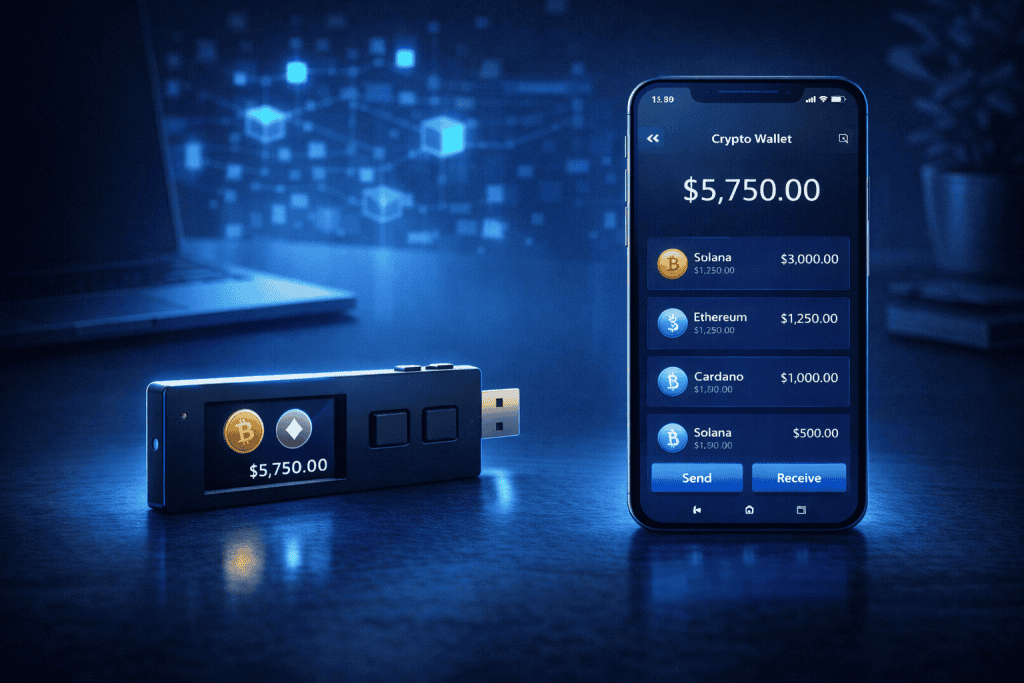
Choosing a Crypto Wallet might sound technical at first. I remember staring at my screen the first time I bought Bitcoin, wondering, “Where exactly do I put this?” That simple question opened the door to the wider world of Cryptocurrency.
A Crypto Wallet isn’t just a place to store digital coins. It’s your personal vault, your access key, and your security system all in one. Whether you’re exploring Cryptocurrency out of curiosity or planning a serious Investment, picking the right wallet matters. The wrong choice can lead to frustration, high fees, or worse, security risks.
For everyday users, it means peace of mind. For industry professionals, it means protecting assets and managing transactions smoothly. With the rapid growth of the Crypto Market, knowing how to choose the right wallet gives you control. It keeps your digital funds safe and makes interacting with the Blockchain simple and secure.
Let’s walk through it step by step so you can make a confident decision.
Crypto Wallet Materials or Tools Needed
Before choosing a Crypto Wallet, you don’t need fancy equipment. But you do need a few essentials to make a smart decision.
First, you’ll need a reliable internet connection and a secure device. This could be your smartphone, laptop, or desktop computer. If you’re considering a hardware wallet, you’ll need funds to purchase one. You should also have a basic understanding of the Coin Market and how Cryptocurrency transactions work.
Here’s a quick overview:
| Tool / Requirement | Why You Need It |
|---|---|
| Secure Internet | Safe wallet setup and transactions |
| Smartphone or Computer | Access to wallet apps or software |
| Government ID (optional) | Required for some wallet providers |
| Hardware Wallet (optional) | Extra security for long-term storage |
| Basic Crypto Knowledge | To avoid beginner mistakes |
Having these ready will make the process smooth and stress-free.
Crypto Wallet Instructions
Step 1: Decide What You Need the Wallet For
Start by asking yourself a simple question: Why do I need a Crypto Wallet?
Are you trading frequently? A mobile or web wallet might be convenient. Are you holding assets long-term? A hardware wallet could be safer. If you plan to interact with decentralized apps, make sure the wallet supports them.
Think about how often you’ll access your funds. Daily users need speed and flexibility. Long-term holders need strong security. Clarity here saves time later.
Step 2: Choose Between Hot and Cold Wallets
A Crypto Wallet generally falls into two categories: hot or cold.
Hot wallets connect to the internet. They’re easy to use and perfect for beginners. But because they’re online, they carry slightly higher risk.
Cold wallets stay offline. Hardware wallets and paper wallets fall into this category. They’re more secure but less convenient for frequent transactions.
When I first started, I used a hot wallet for small amounts. Once my portfolio grew, I added a cold wallet for peace of mind. Many experienced users combine both for balance.
Step 3: Research Reputable Providers
Not all wallets are created equal. Spend time reading trusted reviews and comparisons before choosing a Crypto Wallet.
Look for providers with strong security features like two-factor authentication, encryption, and backup recovery options. Read user feedback. Check how long the company has been operating.
Reliable sources such as Benzinga, CNET, Forbes, NerdWallet, and eToro publish updated lists of recommended wallets. These comparisons helped me narrow down my choices quickly and avoid unreliable apps.
Step 4: Check Supported Cryptocurrencies
Before committing to a Crypto Wallet, confirm it supports the coins you plan to buy.
Some wallets are Bitcoin-only. Others support hundreds of tokens across multiple networks. If you’re exploring altcoins or decentralized finance projects, compatibility is crucial.
I once downloaded a wallet that didn’t support a token I wanted. I had to start over. Save yourself the hassle by checking this first.
Step 5: Set Up and Secure Your Wallet
Once you choose your Crypto Wallet, follow the setup instructions carefully.
You’ll typically create a password and receive a recovery phrase. This phrase is everything. Write it down on paper. Store it somewhere safe and offline. Never screenshot it. Never email it to yourself.
Enable two-factor authentication if available. Consider using a password manager for added protection.
Think of your wallet like a digital safe. You wouldn’t leave a safe unlocked in public. Treat your security settings with the same seriousness.
Crypto Wallet Tips and Warnings

Choosing a Crypto Wallet is simple, but protecting it requires discipline.
First, always double-check website URLs before logging in. Fake wallet apps and phishing sites are common. If something feels rushed or suspicious, pause.
Second, never share your recovery phrase. No legitimate wallet provider will ask for it. If someone does, it’s a scam.
Third, consider diversifying storage. Many experienced Cryptocurrency users keep small amounts in a hot wallet for daily use and larger holdings in cold storage.
Also, keep software updated. Updates often fix security vulnerabilities. Ignoring them leaves your wallet exposed.
Here’s a quick guide:
| Tip | Why It Matters |
|---|---|
| Write down recovery phrase | Prevent permanent loss of funds |
| Use two-factor authentication | Adds extra security layer |
| Avoid public Wi-Fi | Reduces hacking risks |
| Verify wallet compatibility | Prevents unsupported token issues |
| Test small transfers first | Avoid costly mistakes |
One common mistake beginners make is rushing. The excitement of entering Cryptocurrency can lead to skipping research. Slow down. A few extra minutes of reading can save thousands in losses.
Another warning: Don’t store large sums on exchanges long-term. Exchanges can be hacked. A personal Crypto Wallet gives you full control.
Security may not feel exciting, but it’s the foundation of smart crypto ownership.
Conclusion
Choosing the right Crypto Wallet doesn’t have to be overwhelming. Start by understanding your goals. Decide between hot and cold storage. Research trusted providers. Confirm coin compatibility. Then secure your wallet properly.
The world of Cryptocurrency is growing fast, and having the right wallet gives you confidence to participate fully. It allows you to send, receive, and store digital assets safely while staying in control.
I still remember the sense of relief after setting up my first secure wallet correctly. It felt like finally understanding the rules of the game. Once you get this step right, everything else becomes easier.
Take your time. Do your research. Protect your recovery phrase.
Then dive in and start exploring the opportunities waiting in the crypto space.
FAQ
What is a crypto wallet?
A crypto wallet is a digital tool that allows you to store, manage, and transact with cryptocurrencies.
Why is security important in a crypto wallet?
Security is crucial to protect your digital assets from theft and unauthorized access.
What are the types of crypto wallets?
The main types are hardware wallets, software wallets, and paper wallets.
Resources
- Benzinga. Best Crypto Wallets
- CNET. The Best Bitcoin and Crypto Wallets
- Forbes Advisor. Best Crypto Wallets
- NerdWallet. Best Bitcoin & Cryptocurrency Wallets
- eToro. Crypto Wallet Guide