

Cloud computing is transforming how businesses operate, but with this shift comes an increased risk of Cloud Security threats. From data breaches to malware attacks, the dangers associated with cloud security are significant and growing. For cybersecurity professionals and businesses relying on cloud storage, learning how to counter cloud security threats is critical. In this guide, we’ll explore the necessary steps to protect cloud environments, the tools you’ll need, and best practices for staying secure in the digital age.
The rise of cloud-based services has revolutionized the tech landscape, offering flexibility, scalability, and cost-efficiency. However, this convenience doesn’t come without risk. Data breaches, malware infiltration, and misconfigurations in cloud environments can lead to severe financial and reputational damage. Cybersecurity professionals must be proactive in countering these risks by using advanced security tools and implementing comprehensive security protocols.
Countering cloud security threats not only protects your business assets but also ensures compliance with industry standards and maintains customer trust. Given the stakes, understanding how to effectively mitigate these risks is a priority for all businesses that rely on cloud infrastructure.
Tools Needed
Before diving into the steps to counter cloud security threats, you’ll need several essential tools and strategies. These include:
- Cloud Security Posture Management (CSPM): Identifies cloud vulnerabilities and misconfigurations.
- Anti-malware software: Essential to detect and prevent malware in cloud environments.
- Encryption Tools: Secure sensitive data stored or transmitted within the cloud.
- Multi-Factor Authentication (MFA): Adds an extra layer of security for user access.
- Continuous Monitoring Systems: Tracks real-time cloud activity to detect potential threats.
Step-by-Step Guide to Counter Cloud Security Threats
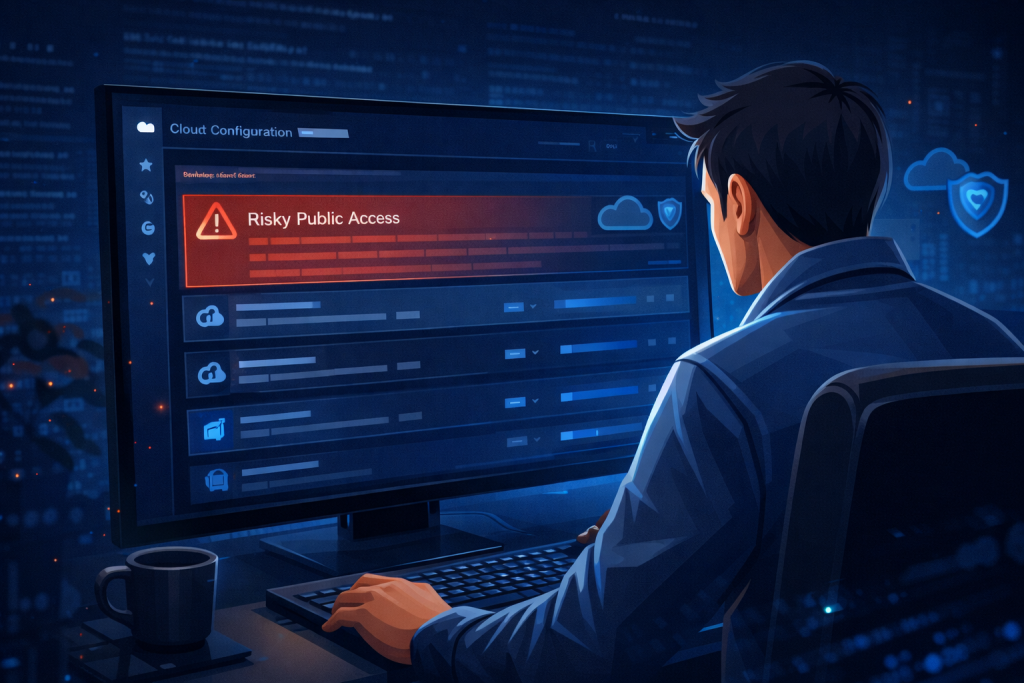
Step 1: Strengthen Cloud Configurations
A common vulnerability in cloud environments arises from misconfigurations. It’s essential to regularly review and adjust your cloud settings to limit unauthorized access.
Begin by assessing your cloud service provider’s security settings, enabling advanced configurations like firewalls and access control lists (ACLs). Ensure that only essential services are publicly accessible while sensitive data is restricted. Establish proper segmentation between systems to limit the impact of a potential breach. This simple step can dramatically reduce the chances of an attacker finding a way into your network.
Step 2: Implement Strong Encryption
Data encryption is the cornerstone of any secure cloud infrastructure. Encrypt data both in transit and at rest using strong algorithms such as AES-256. Encryption prevents unauthorized parties from reading sensitive data, even if a breach occurs. Ensure all communication channels are secured with SSL/TLS protocols.
Your encryption protocols should apply not only to stored files but also to data that is being shared across networks. This prevents unauthorized parties from intercepting communications. For added protection, ensure your cloud provider supports key management services to safeguard encryption keys.
Step 3: Deploy Anti-Malware Tools
Malware is a persistent Cloud Security threats in the cloud, where vulnerabilities can be exploited to launch attacks. Install robust anti-malware software on all cloud platforms to detect and mitigate malicious activity. The software should include real-time monitoring to catch any suspicious files or behaviors early.
Regularly update this software to guard against the latest malware variants. Anti-malware solutions with artificial intelligence (AI) capabilities are particularly effective because they can learn from previous attacks and adjust their defenses accordingly.
Step 4: Set Up Multi-Factor Authentication (MFA)
Protecting user accounts is essential to cloud security. MFA provides an additional security layer beyond passwords by requiring users to verify their identity through multiple means, such as a smartphone app or a security token. This dramatically reduces the likelihood of unauthorized access, even if credentials are compromised.
For maximum protection, enforce MFA for all cloud users, including employees, administrators, and third-party vendors. It’s especially vital for accessing sensitive areas of your cloud infrastructure, like data storage and management dashboards.
Step 5: Establish a Continuous Monitoring System
To effectively counter cloud security threats, it’s crucial to maintain real-time visibility into cloud activity. Continuous monitoring tools track network traffic, user behavior, and application performance, identifying anomalies that may indicate a threat.
Set up alerts to notify your security team of unusual activities, such as repeated login attempts or unexpected data transfers. This will allow you to respond to potential Cloud Security threats before they escalate into full-blown attacks. Monitoring systems also provide essential audit trails for compliance reporting.
Cloud Security Threats Tips and Warnings

To get the most out of your cloud security efforts, it helps to think beyond just identifying Cloud Security threats. Proactive habits, smart planning, and a clear understanding of common pitfalls can make your cloud environment much safer. The Cloud Security Threats and Countermeasures guide you linked explains key risks like misconfigurations, data breaches, malware, and the need for layered defenses.
Start by adopting a shared responsibility mindset. Cloud providers secure the infrastructure, but your organization is typically responsible for configuring services, managing access, and protecting your data. This distinction helps avoid gaps in protection that attackers exploit. Establish formal policies that define who manages what and include regular reviews of configurations and access policies.
Prioritize identity and access management (IAM). Weak or overly permissive access rights are a leading cause of cloud breaches. Use multi-factor authentication (MFA) everywhere possible, apply the principle of least privilege, and revoke unused credentials promptly. Implement audit logging and alerting so you can spot suspicious behavior early.
Invest in continuous monitoring tools that can detect anomalies such as unpredicted data flows or unusual login patterns. Automated scanning and real-time visibility help catch Cloud Security threats before they escalate. Regular patching and vulnerability management is also essential—outdated software and unpatched settings often give attackers an easy entry point.
Common Mistakes to Avoid
| Mistake | Why It’s a Problem |
|---|---|
| Ignoring misconfigurations | Misconfigured storage buckets or permissions are one of the easiest ways attackers gain access. |
| Assuming the cloud provider handles all security | Misunderstanding shared responsibility leads to unprotected data and services. |
| Weak IAM practices | Over-broad permissions and no MFA make account hijacking far more likely. |
| Skipping logging/monitoring | Without visibility, you can’t see or respond to Cloud Security threats quickly. |
| Failing to update security skills | Cloud environments evolve quickly; training ensures teams keep up with new Cloud Security threats. |
By following best practices and watching out for these errors, you’ll be better equipped to defend your cloud infrastructure and reduce your risk of costly security incidents.
Conclusion
Successfully countering cloud security threats requires a proactive, multi-layered approach. By strengthening your cloud configurations, implementing encryption, deploying anti-malware tools, and using multi-factor authentication, you can significantly reduce the risks posed by these threats. Real-time monitoring further enhances your ability to detect and respond to potential attacks before they cause harm. With these strategies in place, your business can confidently leverage the cloud’s advantages while staying secure.
FAQ
What is the most common cloud security threat?
The most common cloud security threat is misconfigured cloud settings, which can expose sensitive data to unauthorized access.
How can encryption help in cloud security?
Encryption secures data by making it unreadable to unauthorized users, ensuring sensitive information remains protected even in the event of a breach.
Is multi-factor authentication necessary for cloud security?
Yes, multi-factor authentication adds a critical layer of security, ensuring that even if passwords are compromised, unauthorized access is still difficult.