
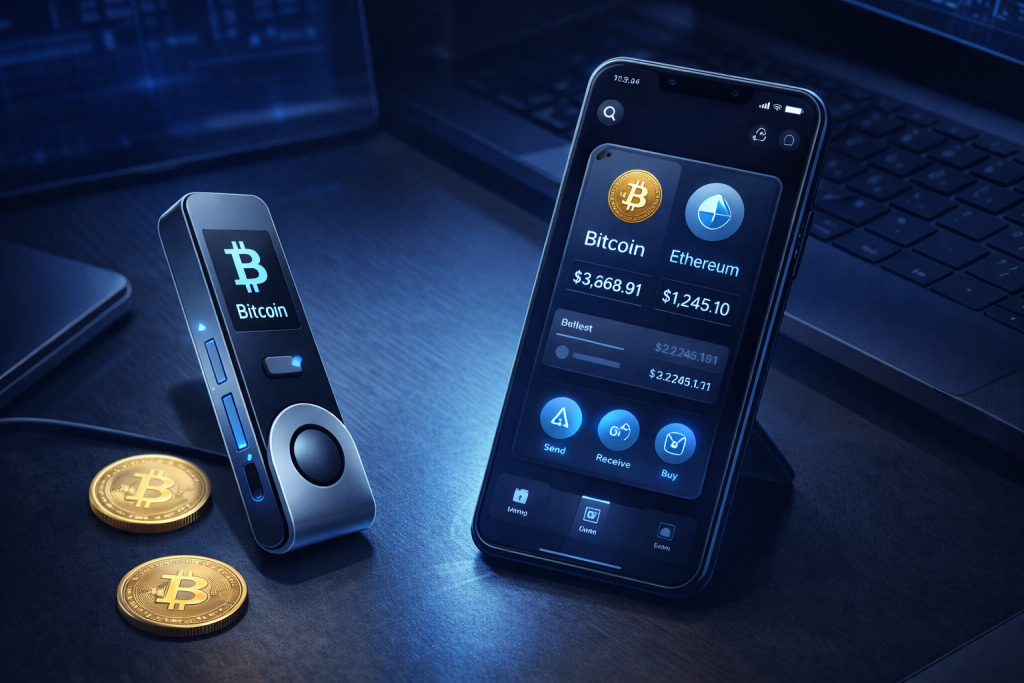
The first time I bought crypto, I made a rookie mistake. I left my coins sitting on an exchange, told myself I would “sort out security later,” and moved on with life. A few months later, that exchange froze withdrawals during a market panic. I eventually got my funds back, but the stress stuck with me. That moment taught me why Bitcoin Storage is not just a technical detail. It is the backbone of owning crypto responsibly.
In the world of Cryptocurrency, security is not optional. When you control your own storage, you control your future. Securing your assets protects you from hacks, platform failures, and your own forgetfulness. Whether you are a casual holder or someone working closely with digital assets, understanding how to secure Bitcoin Storage gives you peace of mind and real ownership. This guide walks you through the process step by step, using plain language and practical examples. No hype. Just what works.
Bitcoin Storage Materials or Tools Needed
Before you secure Bitcoin Storage, you need the right tools. Think of this like locking up valuables at home. A flimsy lock invites trouble, while a solid safe keeps things boring and secure. Most storage setups require only a few essentials, but choosing wisely makes a big difference.
At a minimum, you will need a wallet, a secure device, and a safe way to store recovery information. Some people start with software wallets, while others move quickly to hardware options for stronger protection. Your internet habits matter too. Clean devices and secure connections reduce risk more than people realize.
| Tool or Material | Purpose | Notes |
|---|---|---|
| Hardware wallet | Offline asset protection | Best for long-term holders |
| Software wallet | Easy access | Suitable for small amounts |
| Secure device | Prevent malware | Avoid public computers |
| Backup storage | Protect recovery phrase | Use offline methods |
Bitcoin Storage Instructions
Step 1: Choose the Right Wallet
The first step in securing Bitcoin Storage is choosing a wallet that matches how you plan to use your funds. If you trade often, a reputable software wallet may feel convenient. If you hold for the long term, hardware wallets are the gold standard. I remember unboxing my first hardware wallet and realizing how different it felt to physically own my keys. That shift alone changed how seriously I treated security. Always download wallets from official sources and double-check URLs before installing anything.
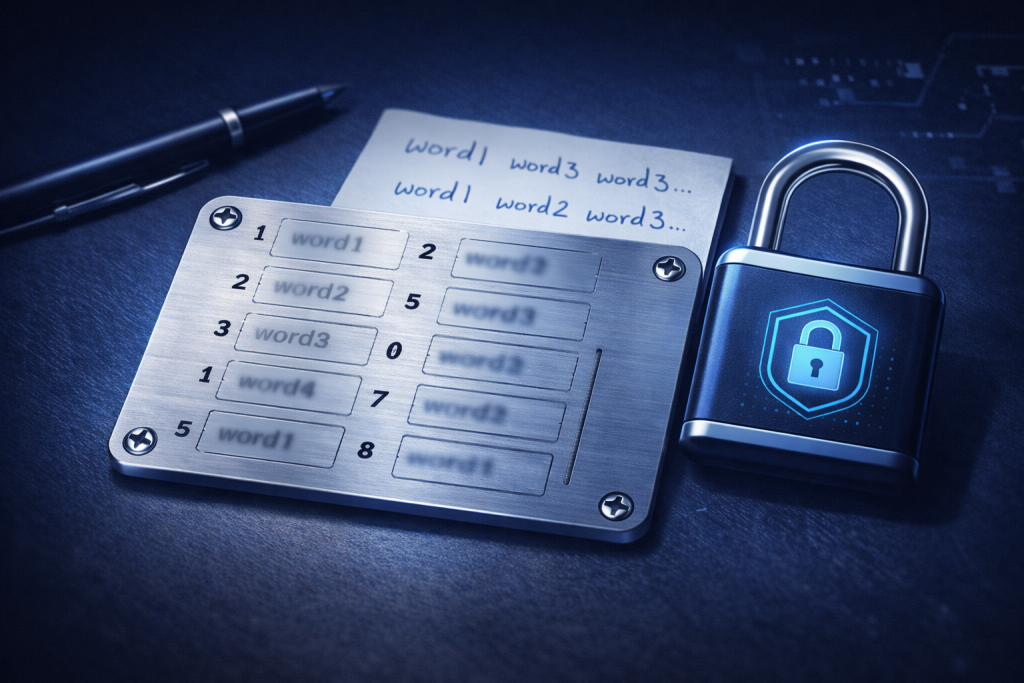
Step 2: Secure Your Recovery Phrase
Your recovery phrase is the master key to your Bitcoin Storage. Lose it, and your funds are gone. Expose it, and someone else can drain your wallet. Write it down on paper, not in a notes app or screenshot. Store copies in separate secure locations. Some people engrave phrases into metal plates to protect against fire or water damage. It may feel extreme until you realize how often accidents happen.
Step 3: Move Funds Off Exchanges
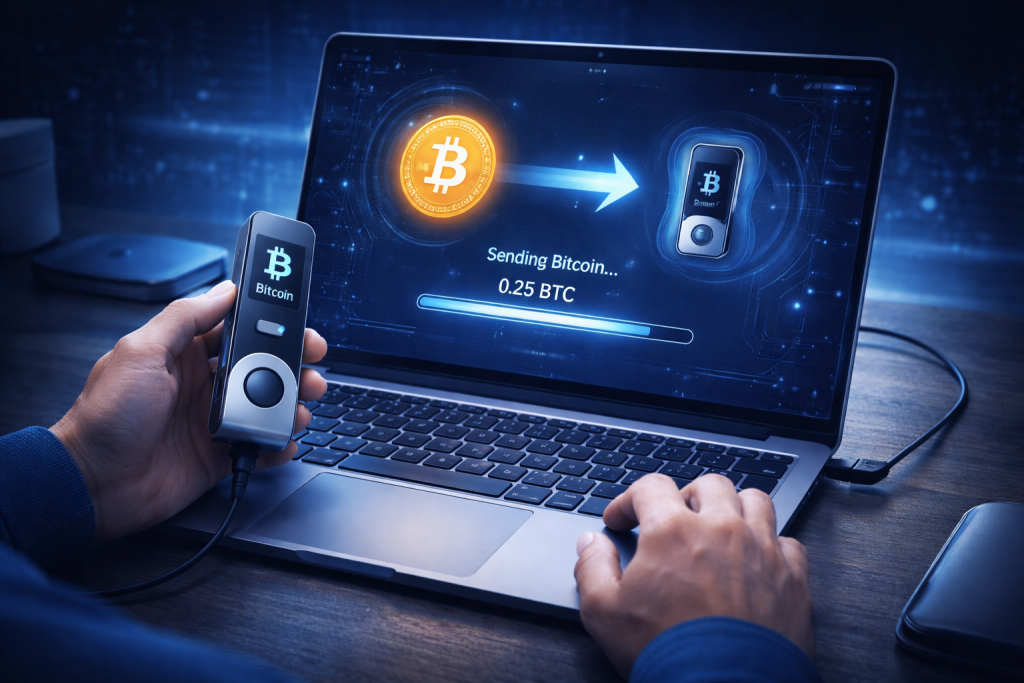
Leaving assets on exchanges is convenient, but it defeats the purpose of Bitcoin Storage security. Exchanges can be hacked, restricted, or shut down. Transfer your coins to a wallet you control. The first time you do this, send a small test amount. That simple habit has saved countless people from costly mistakes. Once confirmed, move the rest and verify balances carefully.
Step 4: Maintain Device and Network Hygiene
Even the best Bitcoin Storage setup can fail if your device is compromised. Keep your operating system updated, use antivirus software, and avoid clicking unknown links. Public Wi-Fi is a silent risk. I learned this the hard way when malware flagged my laptop during a routine scan. Since then, I treat my crypto device like a vault key. It only goes where I trust the environment.
Bitcoin Storage Tips and Warnings
Securing Bitcoin Storage is not a one-time task. It is an ongoing habit. One of the best tips is to separate daily-use funds from long-term holdings. Keep small amounts in hot wallets and store larger sums offline. This limits damage if something goes wrong.
Another overlooked tip is practicing recovery. Try restoring a wallet using your backup phrase on a clean device. This confirms your backups work before you actually need them. Also, avoid sharing details about your holdings. The fewer people who know, the safer you are.
Common mistakes are surprisingly human. People rush setup, skip test transfers, or store recovery phrases digitally out of convenience. Others trust unfamiliar apps promising better returns. Remember that in the Crypto Market, security often feels boring. That is a good thing.
| Tip or Warning | Why It Matters |
|---|---|
| Test recovery process | Confirms backups are valid |
| Avoid cloud backups | Prevents online exposure |
| Use separate wallets | Limits loss risk |
| Ignore hype tools | Reduces scam exposure |
Strong Bitcoin Storage habits protect you through market cycles and emotional decisions. Boring security beats exciting losses every time.
Conclusion
Securing Bitcoin Storage is about taking responsibility for what you own. Choose a wallet that fits your needs, protect your recovery phrase like a family heirloom, and move funds off exchanges as soon as possible. Maintain clean devices and stay alert to new threats. These steps are not complicated, but they require intention.
If you are new to crypto, start small and build confidence. If you are experienced, review your setup and tighten weak points. Ownership in digital finance means control, and control starts with smart storage. Take an hour this week to secure your assets properly. Your future self will thank you when markets swing and headlines get loud.
FAQ
What is the safest way to store Bitcoin?
The safest way to store your bitcoins is to use a hardware wallet, such as a Ledger Nano X or Trezor Model T, and create a paper wallet stored in a secure location, such as a waterproof and fireproof safe.
How does a hardware wallet protect my bitcoins?
Hardware wallets store your private keys offline, making them immune to online hacking attempts. They also add an extra layer of security by requiring physical access and user authentication for transactions.
How does a hardware wallet protect my bitcoins?
Paper wallets are safe from online threats, but they are vulnerable to physical damage, loss, or theft. It’s important to keep them in a safe and protected environment.
Resources
- CryptoNews. How to store cryptocurrency safely.
- Investopedia. Bitcoin safe storage: Cold wallet.
- Medium. The only safe way to store crypto.
- Business Insider. Best Bitcoin wallet. Business Insider.
- SwissMoney. Safest ways to store your crypto for the long-term [2024].