
The story of Gen 1 Cyber Attacks is where modern cybersecurity truly begins. Long before today’s ransomware headlines and AI-driven scams, the first wave of digital threats quietly spread through floppy disks, classroom computers, and office machines. In the cybersecurity category, renewed interest in Gen 1 Cyber Attacks matters because these early infections reveal how small vulnerabilities can grow into massive industry problems. Looking back at Gen 1 Cyber Attacks helps both professionals and everyday users understand where cyber defense started and why those lessons still matter now.
What Happened
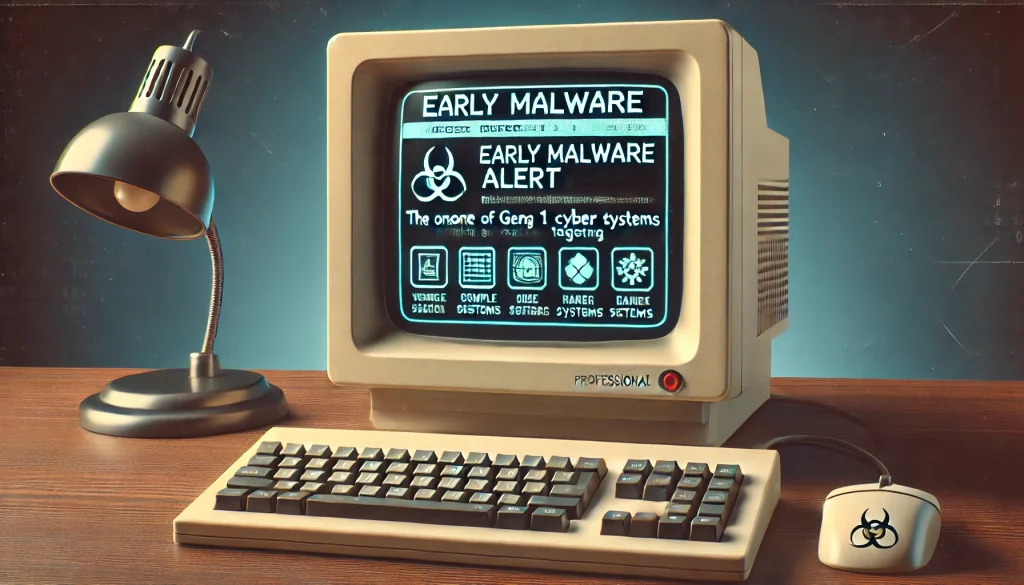
Before cybercrime became a billion-dollar business, Gen 1 Cyber Attacks introduced the world to a much simpler, but still disruptive, kind of danger. These attacks emerged in the 1980s, when personal computers were becoming more common and security was barely part of the conversation. Back then, people swapped software the same way neighbors swap books: hand to hand, disk to disk, machine to machine. That made Gen 1 Cyber Attacks surprisingly effective. A single infected floppy disk could move from one computer to another without anyone realizing they were carrying a digital problem in their pocket.
Some of the best-known examples of Gen 1 Cyber Attacks include Elk Cloner in 1982 and the Brain virus in 1986. Elk Cloner spread on Apple II computers and became one of the first viruses to circulate “in the wild.” Brain later targeted MS-DOS systems and showed just how exposed early computers really were. These incidents did not always destroy data in the dramatic way modern malware does, but they were enough to alarm businesses, hobbyists, and developers. In many ways, Gen 1 Cyber Attacks were the cybersecurity world’s first wake-up call: not loud, not flashy, but impossible to ignore once they started spreading.
When and Where
The era of Gen 1 Cyber Attacks began in the early 1980s and continued through the late 1980s into the early 1990s, mostly in environments where standalone personal computers were common. These threats appeared in schools, homes, and offices, especially in places where users shared floppy disks to move files and software. Unlike modern attacks that can cross continents in seconds, Gen 1 Cyber Attacks traveled slowly and physically. Still, for that time, they spread far enough to prove that digital infections were not science fiction but a real operational risk.
Who is Involved
The people involved in Gen 1 Cyber Attacks were often very different from today’s organized cybercriminal groups. In some cases, they were curious teenagers, experimenters, or early programmers testing what computers could do. Elk Cloner, for instance, was created by a teenager and behaved more like a prank than a high-profit criminal campaign. Still, the victims of Gen 1 Cyber Attacks were real: early computer users, schools, and businesses that lacked antivirus tools, clear security rules, or even awareness that malware existed. Security vendors, software developers, and IT teams were forced to respond, and that response helped shape the first generation of cyber defense.
Why It Matters
It is easy to look at Gen 1 Cyber Attacks and think of them as digital fossils—interesting, maybe, but outdated. That would be a mistake. Gen 1 Cyber Attacks matter because they introduced the core ideas that still define cybersecurity today: infection, replication, user error, and the cost of weak defenses. They taught businesses that trust alone is not a security strategy. They also showed that a threat does not need to be advanced to be disruptive. Sometimes, all it takes is one infected file, one careless transfer, and one system with no protection.
From a business perspective, Gen 1 Cyber Attacks pushed companies to build the foundations of modern cyber hygiene. Early infections caused downtime, confusion, and manual cleanup work that interrupted operations. That pain helped justify investments in antivirus software, stricter file-handling policies, and better employee awareness. If today’s security teams are dealing with Hacking, Cyber Threats, and even Deepfakes, it is because the industry first learned hard lessons from Gen 1 Cyber Attacks. The mindset of patching systems, verifying software sources, and treating suspicious files with caution did not come from nowhere. It was built in response to those early incidents. Even common habits we take for granted now, like installing a Windows Update or using privacy tools such as Express VPN, reflect a culture shaped by decades of evolving risk. In simple terms, Gen 1 Cyber Attacks matter because they taught us that prevention starts before panic.
There is also a human side to this story. Imagine bringing home what you think is a harmless disk from a friend, inserting it into your family computer, and suddenly realizing you have helped spread a virus. That kind of innocent mistake is exactly why Gen 1 Cyber Attacks still feel relevant. Technology changes, but human behavior changes more slowly. Curiosity, convenience, and trust remain part of the risk equation, which is why the earliest cyber incidents still deserve attention in today’s boardrooms and classrooms alike.
Quotes or Statements
While the uploaded draft does not include direct executive quotes, the broader industry consistently frames early cyber incidents as the starting point of modern defense strategy. Public historical overviews describe the first virus outbreaks as the moment cybersecurity moved from technical curiosity to business necessity. That framing fits Gen 1 Cyber Attacks perfectly. These early cases may look small by modern standards, but they forced a major shift in thinking: computers were no longer just productivity tools, they were assets that needed protection. That insight is the lasting statement behind Gen 1 Cyber Attacks.
Conclusion
The legacy of Gen 1 Cyber Attacks is bigger than floppy disks and old viruses. This first chapter in cyber history introduced the patterns, habits, and weaknesses that still shape digital security today. By studying Gen 1 Cyber Attacks, we gain a clearer view of how cyber risk evolved from simple infections into the complex threat landscape we manage now. The tools have changed, but the lesson remains the same: small security gaps can create very big problems.
Resources
Cybermagazine. The Evolution of Cybersecurity.
Katz. The Evolution of Cyber Threats.
Roboticsbiz. Five Generations of Cyber Attacks in History.
Knowbe4. Five Generations of Cybercrime.
Check Poinr. Preventing the Next Mega Cyber Attack.