
Imagine a world where even the smallest businesses can grow and thrive, no matter how little money they start with. That’s exactly what microfinance aims to do! It’s a financial service designed for people who don’t have access to traditional banks, helping them secure small loans, savings, and even insurance.
This is especially important in developing countries, where many people struggle to get financial help. It gives low-income individuals and small business owners a chance to grow, invest, and improve their lives. But how does it work? And why is it such a game-changer? Let’s dive in!
What is Microfinance?
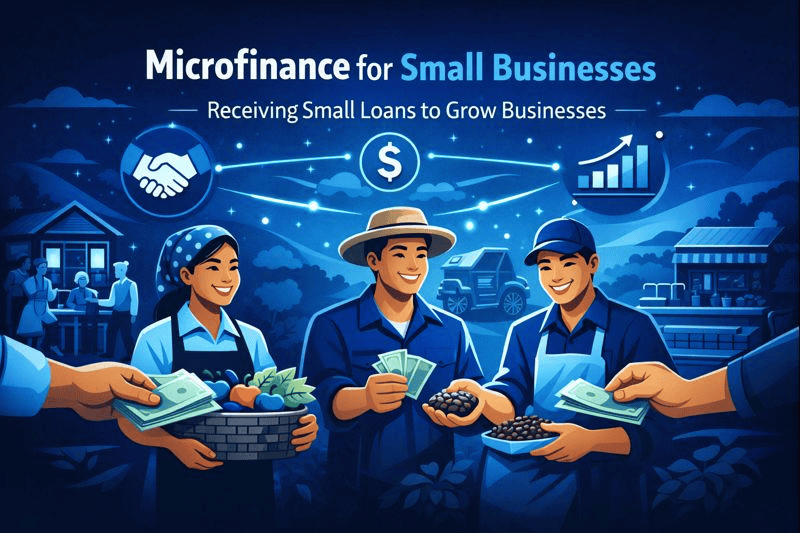
Microfinance is a way to provide small loans and other financial services to people who don’t qualify for traditional banking. It focuses on helping individuals start or expand small businesses, invest in education, and cover emergency expenses.
In essence, microfinance is all about financial inclusion — giving people access to basic financial tools they otherwise wouldn’t have. These tools might include microloans (small loans), savings accounts, and affordable insurance. By offering these services, microfinance institutions help break down barriers that keep low-income families from participating in the formal economy.
Unlike regular banks, microfinance institutions (MFIs) don’t require big collateral or long credit histories. Instead, they may use group lending models, trust, and community reputation to encourage repayment.
The Background of Microfinance
For decades, banks focused only on big businesses and wealthy clients, leaving many people without access to financial support. This led to a huge gap between those who could grow their wealth and those who were stuck in financial hardship.
Microfinance was created to fill that gap. Instead of requiring assets like houses or land as security, institutions allow people to borrow small amounts with flexible repayment terms. Over time, this concept has transformed into a global movement, bringing financial stability to millions.
Because these loans and services are small and often tailored to individual needs, MFIs can support people in rural areas or informal economies where traditional banks don’t operate. This approach also fosters entrepreneurship, helping people start or grow ventures like small shops, farming operations, or craft businesses — activities that might otherwise never receive financial backing.
The History of Microfinance
The idea of lending small amounts of money to those in need isn’t new—it’s been around for centuries. However, it started gaining attention in the late 20th century.
| Year | Milestone |
|---|---|
| 1976 | Muhammad Yunus founded Grameen Bank in Bangladesh, pioneering the concept of microcredit. |
| 1980s | Institutions started growing across Asia, Africa, and Latin America. |
| 1990s | Governments and NGOs worldwide began supporting microfinance initiatives. |
| 2006 | Muhammad Yunus won the Nobel Peace Prize for his work. |
| 2020s | Technology and mobile banking revolutionized microfinance, making loans more accessible. |
Types of Microfinance Services
This isn’t just about lending money. It includes several financial services designed to help low-income individuals manage their money better.
| Type | What It Does |
|---|---|
| Microcredit | Small loans given to individuals or groups for business or personal use. |
| Micro-savings | Safe, low-balance savings accounts for those without traditional bank accounts. |
| Micro-insurance | Affordable insurance plans for health, agriculture, and small businesses. |
| Micro-leasing | Enables small businesses to rent equipment instead of buying it outright. |
| Remittances | Secure and affordable money transfer services for migrant workers. |
How Does Microfinance Work?
Microfinance works differently from traditional banking. Since most borrowers have little to no credit history, lenders use creative methods to ensure repayment. Here’s how:
- Group Lending Model: Borrowers form small groups where each member guarantees the repayment of each other’s loans. This social pressure encourages timely repayments.
- No Collateral Required: Instead of needing property or assets to secure a loan, institutions rely on trust and previous repayment history.
- Small Loan Amounts: The loans usually range from $50 to a few thousand dollars, just enough to start a business or cover urgent expenses.
- Flexible Repayments: Unlike big banks, MFIs offer flexible repayment terms that align with the borrower’s income.
The group lending model is especially effective in many regions because it creates a network of mutual accountability. When one member struggles, others often step in with support, making repayment more sustainable and reinforcing community trust.
Pros & Cons of Microfinance
Microfinance has changed millions of lives, but it’s not perfect. Here’s a quick look at the benefits and challenges:
| Pros | Cons |
|---|---|
| Helps small businesses grow | Some lenders charge high-interest rates |
| Provides financial access to the unbanked | Risk of borrowers taking on too much debt |
| Empowers women and underprivileged groups | Not all MFIs are properly regulated |
| Encourages financial independence | Limited funding for larger business growth |
One ongoing concern is that high interest rates — often required to cover operational costs — can counteract the poverty-alleviating goals of microfinance. Critics argue that without strong regulation and borrower protections, some individuals may fall into cycles of debt.
Companies That Offer Microfinance Services
It has become a worldwide movement, and many organizations are leading the way.
Grameen Bank
Founded in Bangladesh, this bank pioneered microcredit and continues to support millions of small borrowers.
Kiva
An online lending platform that allows people to lend small amounts to entrepreneurs around the world.
FINCA International
Operates in many countries, helping low-income families with loans, savings, and insurance.
Habitat for Humanity Microfinance
Specializes in micro-loans for affordable housing in developing nations.
Real-World Applications of Microfinance
It isn’t just about loans—it’s about creating opportunities. Here’s how it’s used in different sectors:
Small Business Growth
Microloans help small entrepreneurs buy equipment, raw materials, and other essentials to expand their businesses.
Women Empowerment
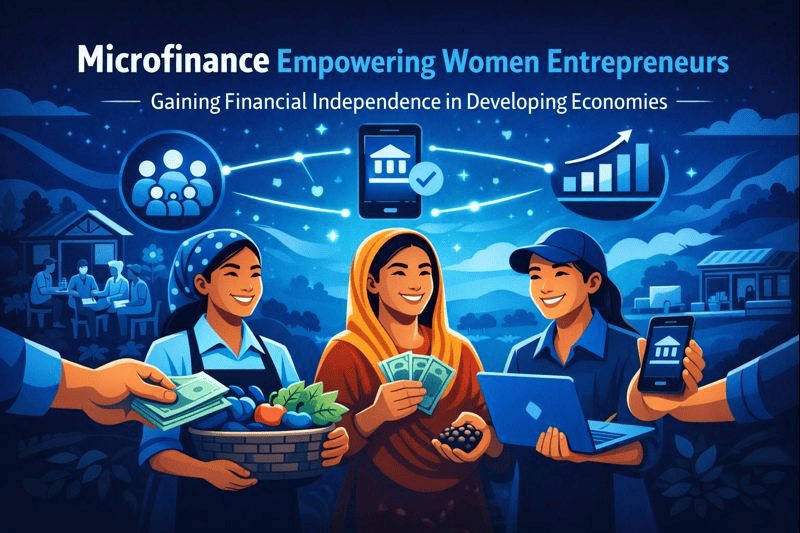
Many microfinance programs target women, giving them the financial independence they need to support their families.
Agricultural Development
Farmers use microloans to purchase seeds, fertilizers, and irrigation systems, improving their crop yields.
Education and Healthcare
Families use it to pay for school fees, medical bills, and emergency expenses.
Conclusion
Microfinance is a powerful tool that helps people break free from poverty. By providing small loans, savings, and financial education, it gives low-income individuals a chance to improve their lives.
While there are some challenges, such as high-interest rates and the risk of debt, the tool continues to be a key solution for financial inclusion. Whether it’s funding a small business, supporting a farmer, or helping a student pay for school, it proves that even small amounts of money can create big changes.
Resources
- Investopedia. Microfinance Explained
- FINCA. How Microfinance Works
- Kiva. Support Microfinance Loans
- Habitat for Humanity. Microfinance for Housing