
A few years back, I watched a small business owner lose access to her customer database overnight. No dramatic movie-style breach. No shadowy figure typing in a dark room. It happened because she ignored a warning about an outdated plugin and reused the same password everywhere. That experience stuck with me because it perfectly illustrates why Cyber hygiene matters more than most people realize.
In cybersecurity, people often ask a simple but important question: What is Cyber hygiene? The answer is not about advanced tools or secret knowledge. It is about everyday digital habits that quietly protect your devices, accounts, and data. As online life becomes more complex, skipping these habits becomes risky. From banking to remote work and cloud storage, understanding what cyber hygiene is, now a basic skill for anyone who uses the internet and wants fewer digital surprises.
What is Cyber hygiene
Cyber hygiene is the practice of maintaining good digital habits to protect systems, networks, and data from security risks. It includes routine actions such as updating software, using strong passwords, managing access permissions, and staying alert to suspicious activity.
When people ask, What is Cyber hygiene?, the simplest answer is this: it is preventative care for your digital life. Just as brushing your teeth prevents cavities, consistent digital care reduces the chances of breaches, data loss, and unauthorized access. You may also hear it referred to as digital hygiene or cybersecurity hygiene, but the principle remains the same.
Breaking Down Cyber hygiene
The easiest way to understand what is Cyber hygiene is to compare it to personal health. You do not wait until you are seriously ill to take care of yourself. You rely on small, repetitive habits that prevent problems from building up. Digital security works the same way.
The first building block is awareness. Many attacks succeed because users fail to recognize warning signs. Suspicious emails, fake login pages, and urgent messages demanding immediate action are common tactics. Much of modern Hacking relies on manipulating behavior rather than breaking technology. Awareness means slowing down and questioning anything that feels rushed or unusual.
The second component is maintenance. This includes installing updates, removing unused software, and reviewing system settings. Updates are often delayed because they feel inconvenient, but outdated systems are one of the most common entry points for attackers. Tools like Windows Update exist to patch known weaknesses, not to disrupt your workflow.
Protection forms the next layer. Antivirus software, firewalls, and encrypted connections stop many threats before users even notice them. People working remotely or traveling often rely on tools such as Express VPN to protect data on public networks. These tools do not replace good habits, but they strengthen them.
Finally, there is recovery and response. Even with strong Cyber hygiene, mistakes happen. Backups, monitoring systems, and response plans reduce damage and recovery time. When something goes wrong, preparation replaces panic. Over time, these habits make cybersecurity feel less overwhelming and more routine.
History of Cyber hygiene
The idea of Cyber hygiene developed as computers became connected rather than isolated. In the early days of personal computing, threats were limited in scale and impact. Security was reactive and often ignored.
As internet use expanded, attacks became more frequent and more damaging. Experts noticed that many incidents were caused not by advanced tools, but by human behavior. Weak passwords, unpatched systems, and careless clicks were common factors. This led to the promotion of Cyber hygiene as a foundational security concept.
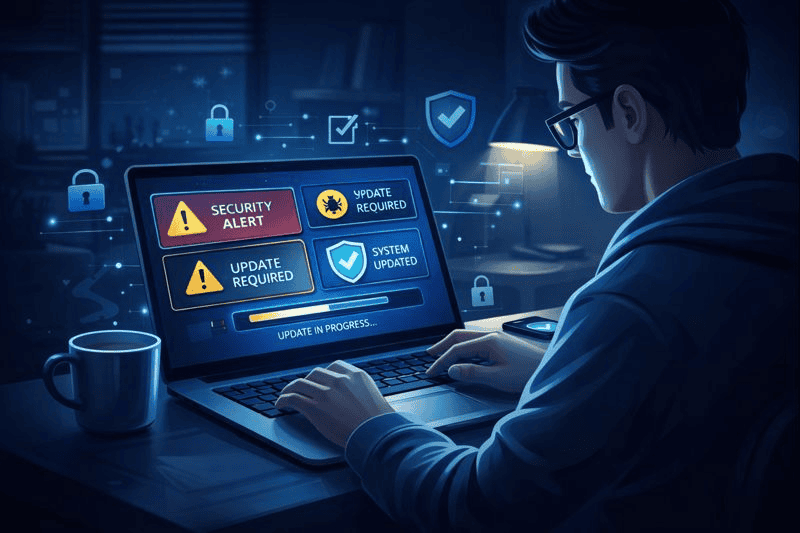
Today, threats continue to evolve. AI-driven scams and realistic Deepfakes have made it harder to tell what is real online. Yet the solution still starts with the same basic habits that were promoted decades ago.
| Era | Key Focus |
|---|---|
| Early computing | Basic virus prevention |
| Internet expansion | Email and network security |
| Cloud adoption | Identity and access control |
| Modern era | Automation, AI, and user awareness |
Types of Cyber hygiene
Different environments face different risks, which is what is Cyber hygiene takes several forms depending on context.
Personal Cyber hygiene
This focuses on individual users and households. Strong passwords, device locks, updates, and safe browsing habits protect personal data and online identities. Many identity theft cases start with weak personal routines rather than technical flaws.
Organizational Cyber hygiene
Businesses apply policies, training, and monitoring tools to reduce risk. Employees are taught how to recognize threats, manage access, and report issues. Strong Cyber hygiene at this level reduces the chance that one mistake turns into a large breach.
Network Cyber hygiene
This type focuses on infrastructure. Routers, servers, and internal connections are segmented, monitored, and audited. If one system is compromised, others remain protected.
Cloud Cyber hygiene
With data stored online, configuration errors are a leading cause of exposure. Managing permissions, visibility, and access logs is essential to modern Cyber hygiene practices.
| Type | Primary Goal |
|---|---|
| Personal | Protect individual users |
| Organizational | Reduce human error |
| Network | Secure infrastructure |
| Cloud | Prevent misconfiguration |
How does Cyber hygiene work?
Cyber hygiene works through consistency rather than complexity. Instead of relying on one tool or one-time fix, it combines small actions repeated over time. These routines reduce weak points and limit opportunities for attackers. When unusual activity occurs, users with good habits notice it sooner and respond more effectively.
Pros & Cons
Before adopting any long-term practice, it helps to understand both sides. What is Cyber hygiene offers clear benefits, but it also requires commitment.
| Pros | Cons |
|---|---|
| Reduces security risks | Requires ongoing effort |
| Prevents data loss | Can feel repetitive |
| Builds awareness | Needs regular training |
| Improves system stability | May slow workflows slightly |
Most of the effort can be automated, making strong Cyber hygiene easier to maintain than many people expect.
Uses of Cyber hygiene
In everyday life, Cyber hygiene is already being used, even if people do not call it that.
Personal use
Individuals rely on it to protect email, banking apps, and social media accounts. Password managers, updates, and backups reduce the risk of account takeover and identity theft.
Business environments
Organizations use structured Cyber hygiene practices to protect customer data and intellectual property. Regular training and audits also help meet compliance requirements.
Education and remote learning
Schools manage shared networks and devices. Teaching students safe online behavior is now part of digital literacy, reinforcing what is Cyber hygiene habits early.
Healthcare and finance
These industries handle highly sensitive data. Breaches can cause real-world harm, not just inconvenience. Strong Cyber hygiene helps protect patients and customers while meeting legal standards.
Resources
- Kaspersky. Cyber hygiene Habits
- Proofpoint. What Is Cyber hygiene?
- TechTarget. Cyber hygiene Definition
- UpGuard. What Is Cyber hygiene?
- Splunk. Cyber hygiene Explained