

A few years ago, I asked my phone to “find the best coffee nearby.” Within seconds, it gave me directions, reviews, and even the shop’s busiest hours. I didn’t think twice about it at the time. But behind that simple voice command was something extraordinary: Natural language processing.
In the world of artificial intelligence and data science, Natural language processing is the bridge between human communication and machine understanding. It allows computers to read, interpret, and respond to text or speech in ways that feel surprisingly natural. From chatbots and virtual assistants to translation tools and sentiment analysis, Natural language processing powers many tools we use daily.
Understanding Natural language processing matters because language is central to everything we do—emails, social media, healthcare records, customer support, and more. When machines understand language, entire industries transform.
What is Natural language processing?
Natural language processing is a branch of artificial intelligence that enables computers to understand, interpret, and generate human language. Sometimes abbreviated as NLP, Natural language processing blends linguistics, machine learning, and computer science to help machines make sense of words, sentences, and context.
In simple terms, NLP teaches computers to “read” and “listen” the way humans do. Whether it’s analyzing customer reviews, translating languages, or answering questions, NLP allows seamless interaction between people and technology.
It’s often described as language AI or computational linguistics. But at its core, Natural language processing is about making communication between humans and machines feel effortless.
Breaking Down Natural language processing
To really understand NLP, imagine teaching a computer how to read a book.
First, the system must split sentences into smaller parts. This is called tokenization. For example, the sentence “AI is changing the world” becomes separate words. Natural language processing uses this as a foundation.
Next comes morphological analysis. Words are broken into roots and endings. This helps the system understand tense and structure.
Then, part-of-speech tagging assigns roles to each word—noun, verb, adjective. Natural language processing uses this step to identify grammar patterns.
Parsing follows. The system analyzes how words connect. Who is doing what? What is the subject? What is the object?
Finally, semantic analysis determines meaning. Consider the word “bank.” Is it a financial institution or the side of a river? NLP uses context to decide.
In the past, rule-based systems handled these tasks. Today, language processing relies heavily on machine learning and neural networks. These systems improve over time, learning from vast amounts of data.
What makes language processing so fascinating is how it mimics human understanding. It’s not just about recognizing words; it’s about understanding intent.
History of Natural language processing
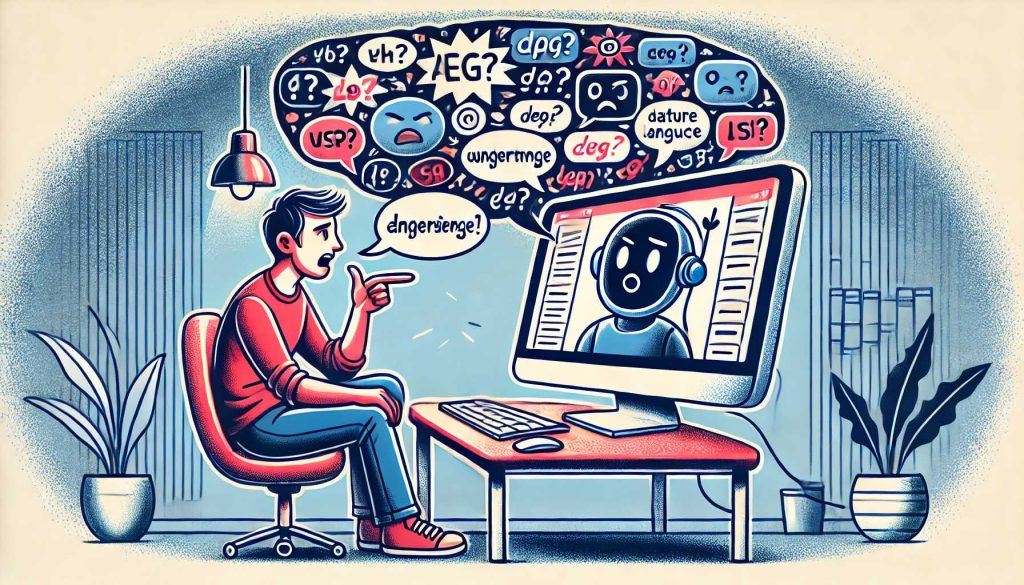
The journey of language processing began in the 1950s, when researchers first attempted machine translation. Early experiments were promising but limited.
In the 1980s and 1990s, statistical models improved accuracy. Then, deep learning revolutionized language processing in the 2010s, enabling breakthroughs in translation, voice assistants, and chatbots.
| Year | Milestone | Impact |
|---|---|---|
| 1950s | Early machine translation | Foundational research |
| 1980s | Statistical NLP models | Improved language prediction |
| 2000s | Rise of big data | Better training datasets |
| 2010s | Deep learning integration | Major accuracy improvements |
| 2020s | Large language models | Human-like text generation |
Today, language processing is considered advanced technology, shaping industries worldwide.
Types of Natural language processing
NLP can be divided into several types based on function.
Rule-Based Systems
These rely on predefined grammar rules. Early Natural language processing systems used this approach.
Statistical Models
These systems analyze probabilities of word patterns. NLP improved significantly with this method.
Machine Learning-Based NLP
Algorithms learn from large datasets. This made Natural language processing more adaptable.
Deep Learning Models
Neural networks process complex patterns in language. Modern Natural language processing tools rely on this type.
Each type represents a stage in the evolution of Natural language processing, reflecting continuous Innovation.
How Does Natural language processing Work?
Natural language processing works in layered stages.
First, input is collected—text or speech. Speech must be converted to text through recognition systems.
Next, preprocessing removes unnecessary elements like punctuation or stop words.
Then, tokenization and tagging occur. Natural language processing structures the text for analysis.
Machine learning models interpret patterns and predict meaning. Context is analyzed carefully.
Finally, output is generated—whether it’s a translated sentence, chatbot reply, or summarized paragraph.
Behind the scenes, Natural language processing uses neural networks trained on massive datasets. These systems detect patterns humans might miss.
It feels like magic when a virtual assistant understands your voice, but it’s actually a carefully designed sequence of computational steps.
Pros & Cons
Like any technology, Natural language processing has strengths and challenges.
| Pros | Cons |
|---|---|
| Automates text analysis | Struggles with sarcasm |
| Improves customer service | Requires large datasets |
| Enhances accessibility | Bias risks in training data |
| Enables translation | Context misinterpretation |
| Saves time | Complex development |
It increases efficiency and scalability, but it must be handled responsibly.
Uses of Natural language processing
Natural language processing touches almost every industry.
Virtual Assistants
Voice assistants have become part of everyday life, whether we’re asking for weather updates, setting reminders, or controlling music with a simple command. These systems interpret spoken language, identify intent, and generate responses that feel conversational rather than robotic. They can manage calendars, send messages, search the web, and even control smart home features. Over time, they learn user preferences, making interactions smoother and more personalized. This ability to process speech quickly and respond accurately is what makes virtual assistants feel intuitive and efficient.
Customer Support
Modern chatbots have transformed customer service by providing instant responses around the clock. Instead of waiting on hold or refreshing email inboxes, customers receive immediate assistance through automated chat systems. These bots can handle frequently asked questions, guide users through troubleshooting steps, process returns, and escalate complex issues to human representatives when necessary. Businesses benefit from reduced workload and faster response times, while customers enjoy quicker resolutions and a more satisfying support experience.
Healthcare
In the medical field, advanced language-based systems analyze patient records, clinical notes, and diagnostic reports to extract valuable insights. This helps doctors identify patterns, track symptoms, and make more informed decisions. Automated systems can flag potential risks, assist with coding and billing documentation, and streamline administrative tasks. By organizing and interpreting vast amounts of medical data, these tools support healthcare professionals in delivering more accurate diagnoses and efficient patient care.
Social Media Analytics
Brands and organizations rely on intelligent text analysis tools to monitor conversations happening across social platforms. By examining posts, comments, and reviews, companies can detect shifts in public opinion, measure customer satisfaction, and identify emerging trends. This insight allows marketing teams to adjust campaigns, address concerns quickly, and better understand audience behavior. Real-time monitoring of digital conversations provides a powerful advantage in competitive markets.
Machine Translation
Translation systems enable communication across languages in seconds. Whether translating business documents, website content, or casual messages, these tools analyze grammar, vocabulary, and context to produce accurate results. They help travelers navigate foreign countries, allow companies to expand globally, and make educational resources accessible worldwide. As translation accuracy improves, global collaboration becomes easier and more seamless.
Smart Devices
Many iot devices integrate voice and text recognition features to create hands-free control experiences. Smart speakers, thermostats, security systems, and wearable technology respond to spoken commands, adjusting settings instantly. This level of automation enhances convenience, efficiency, and accessibility in both homes and workplaces. Connected devices are becoming more responsive and adaptive as language-based technologies advance.
Document Summarization
Long reports, research papers, and legal documents can now be condensed into concise summaries within seconds. Automated summarization tools identify key themes, extract important details, and present the most relevant information clearly. This saves professionals countless hours of reading and allows decision-makers to quickly grasp essential points without losing critical context.
Together, these applications highlight how language-driven AI supports futuristic technology and accelerates digital transformation across industries. By improving contextual understanding and enhancing organic keyword recognition, these systems are also reshaping search engines and making online information retrieval smarter and more intuitive.
Resources
- IBM. What is Natural Language Processing?
- Stanford University. Natural Language Processing Group
- Coursera. Natural Language Processing Specialization
- Google AI. Natural Language Processing Research
- Microsoft Learn. Introduction to Natural Language Processing