
If you’ve spent any time in cybersecurity circles lately, you’ve probably heard people talking about DSPM. Maybe it came up during a meeting about cloud migration, or while reviewing a security incident that started with exposed data. Either way, the term tends to sound more complicated than it really is.
At its core, DSPM is about understanding where your data lives, who can access it, and whether it’s actually protected. In a world where data spreads across cloud apps, SaaS platforms, and shadow systems faster than teams can track, this matters more than ever. I once worked with a company that assumed their sensitive files were locked down, only to discover a forgotten storage bucket sitting wide open. That surprise was costly. Understanding this concept early can save you from that kind of moment.
What is DSPM?
DSPM, or Data Security Posture Management, is a cybersecurity discipline focused on understanding, monitoring, and protecting an organization’s data wherever it exists. Instead of concentrating on networks or devices, it puts data itself at the center of security strategy.

In simple terms, DSPM answers three critical questions every security team struggles with: What data do we have? Where is it stored? And how well is it protected right now? These questions sound basic, but in modern environments they are surprisingly hard to answer. Data lives in cloud platforms, SaaS tools, internal databases, backups, shared folders, and sometimes forgotten systems no one actively manages anymore.
DSPM continuously scans these environments to discover data, identify sensitive information, and evaluate its exposure level. This includes analyzing access permissions, encryption status, sharing settings, and policy alignment. Unlike traditional security tools that focus on stopping attackers at the perimeter, it assumes data will move and users will make mistakes. Its goal is to reduce the damage those mistakes can cause.
Another important aspect of DSPM is visibility over time. Data environments change constantly. New users are added, applications are integrated, and configurations drift. The system tracks these changes continuously, helping organizations maintain an accurate and current picture of their data security posture rather than relying on outdated audits or manual reviews.
Breaking Down DSPM
To really understand, it helps to break it into pieces. Think of it less like a single tool and more like a continuous process that runs quietly in the background.
First, there’s data discovery. Modern organizations generate massive amounts of information every day. Customer records, financial files, internal documents, application logs. Tools scan cloud storage, databases, SaaS apps, and even unmanaged locations to find all of it. This is often where teams get their first shock. Data tends to sprawl in ways no one planned.
Next comes classification. Not all data is equal. Some files are harmless, while others contain personal details, payment information, or intellectual property. DSPM identifies what’s sensitive and labels it accordingly. This step is critical when defending against Cyber Threats, because attackers almost always target high-value data first.
Then there’s exposure analysis. This is where things get practical. DSPM looks at who can access each dataset, whether permissions are too broad, and if encryption or security controls are missing. I’ve seen cases where a junior intern had access to executive payroll data simply because no one ever reviewed permissions.
Finally, remediation and monitoring tie everything together. The system alerts teams to risky configurations and helps fix them before attackers take advantage. This is especially important in environments where data changes constantly, whether due to app updates, user behavior, or even routine processes like a Windows Update that shifts system settings.
When done right, it becomes less about panic and more about confidence. You stop guessing and start seeing your data landscape clearly.
History of DSPM
The idea didn’t appear overnight. It evolved as data moved beyond traditional on-premises systems into cloud and SaaS platforms.
| Year | Milestone |
|---|---|
| Early 2000s | Focus on perimeter security and network firewalls |
| 2010–2015 | Rise of cloud storage and SaaS data sprawl |
| 2018 | Increased regulatory pressure on data protection |
| 2021 | Emergence of dedicated platforms |
| Today | Continuous data posture management becomes standard |
Types of DSPM
Different organizations use it in different ways, depending on where their data lives and how regulated they are.
Cloud-Native DSPM
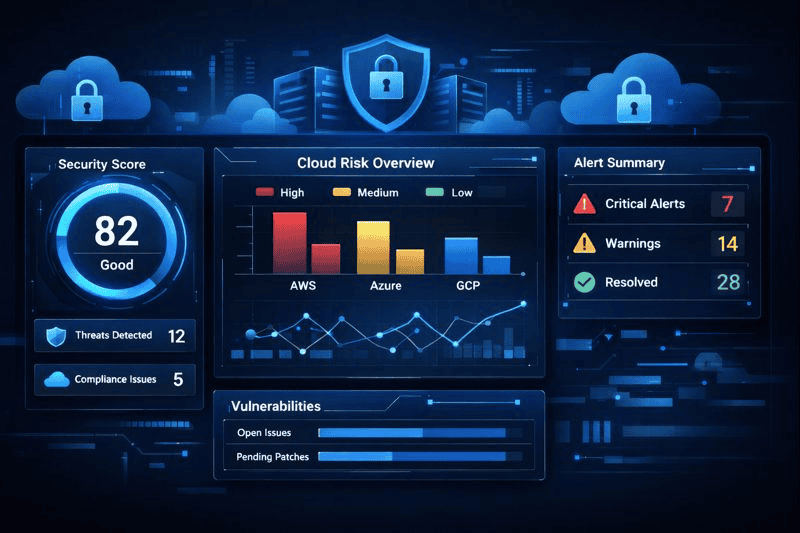
Cloud-native DSPM is designed for organizations that operate primarily in public cloud environments such as AWS, Azure, or Google Cloud. This type focuses on discovering data stored in cloud databases, object storage, and managed services. It continuously evaluates cloud permissions, misconfigurations, and exposure risks that can arise as teams rapidly deploy new resources.
SaaS-Centric DSPM
SaaS-centric targets data stored in third-party applications like collaboration tools, CRM platforms, and file-sharing services. These systems often contain highly sensitive business and customer data but are managed outside traditional IT controls. This type helps organizations understand how data is shared internally and externally, reducing accidental exposure through links, integrations, or misused permissions.
Hybrid Environment DSPM
Hybrid DSPM supports organizations running a mix of on-premises systems and cloud infrastructure. Many enterprises fall into this category, especially those with legacy systems that cannot be easily migrated. Hybrid DSPM bridges visibility gaps by monitoring data across both environments, ensuring consistent security controls and policies regardless of where the data resides.
Compliance-Oriented DSPM
Compliance-oriented is built with regulatory requirements in mind. It maps sensitive data to specific compliance frameworks and monitors whether protections meet required standards. This type is especially useful for organizations in regulated industries that must demonstrate continuous data protection and audit readiness.
| Type | Primary Focus | Best For |
|---|---|---|
| Cloud-Native | Public cloud data | Cloud-first companies |
| SaaS-Focused | App-stored data | Remote teams |
| Hybrid | Mixed environments | Enterprises |
| Compliance-Driven | Regulations | Regulated industries |
How does DSPM work?
At a practical level, it works by continuously scanning data sources, mapping permissions, and flagging risks. It integrates with existing cloud and security tools, watching for changes in real time. When something risky appears, like publicly exposed data or weak encryption, it alerts security teams before attackers or Hacking attempts exploit it.
Pros & Cons
Pros
- Provides clear visibility into where sensitive data exists across environments
- Reduces the risk of data breaches by identifying exposed or over-permissioned data
- Supports compliance by continuously monitoring data protection controls
- Helps security teams respond faster to data-related incidents
Cons
- Initial setup can be time-consuming in large or complex environments
- Requires a learning curve for teams unfamiliar with data-centric security tools
- Needs ongoing tuning and maintenance as data locations and access change
Uses of DSPM

Organizations adopt DSPM because it solves everyday data problems that security teams repeatedly face. Below are common, real-world uses that show how it fits into daily operations.
Internal Data Access Audits
Security teams use DSPM to regularly audit who can access sensitive files. This helps catch over-permissioned users, shared credentials, and outdated access rights before they become risks.
Cloud Migration Risk Reduction
During cloud migrations, DSPM tracks where data moves and whether security controls follow it. This prevents sensitive information from being exposed during rushed infrastructure changes.
Insider Threat Detection
DSPM helps identify unusual data access patterns. When employees download or move data outside normal behavior, teams can investigate early and prevent misuse.
Mergers and Acquisitions Due Diligence
Companies use DSPM during acquisitions to assess inherited data risks. It reveals unknown datasets, poor access controls, and compliance gaps before contracts are finalized.
Incident Response Acceleration
When a breach occurs, DSPM quickly shows what data was exposed. This reduces investigation time and helps teams respond accurately and faster.
Regulatory Readiness and Audits
DSPM continuously maps sensitive data to compliance requirements. This simplifies audits by proving where data lives and how it’s protected.
Data Minimization and Cleanup
Organizations use DSPM insights to delete redundant or outdated sensitive data. Less stored data means a smaller attack surface.
Secure Remote Workforce Support
DSPM ensures data remains protected even when accessed remotely. It helps maintain security policies across home networks, personal devices, and distributed teams.
Resources
- IBM. What is Data Security Posture Management?
- Palo Alto Networks. What Is DSPM?
- Thales. What Is Data Security Posture Management?
- TechTarget. Data Security Posture Management Definition
- Cyberhaven. What Is DSPM?