
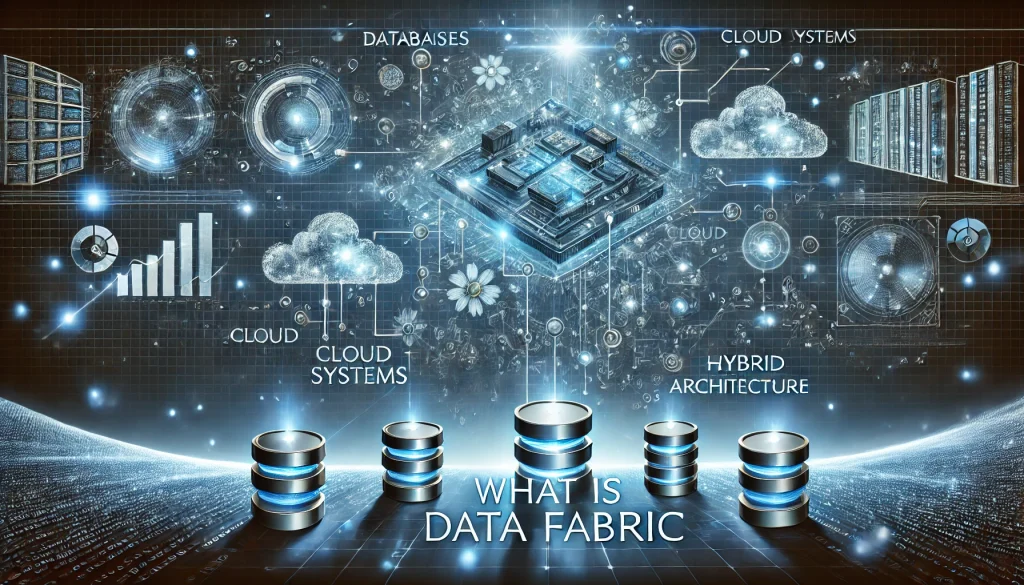
Data Fabric, a transformative approach to modern data management, is gaining strong momentum in 2024 as organizations face increasing data complexity. Designed to streamline integration across fragmented systems, it also provides a unified and intelligent layer that connects data regardless of where it resides. As enterprises expand across on-premises, hybrid, and multi-cloud environments, traditional integration methods often struggle to keep pace.
Recent developments in this technology signal a meaningful shift in how businesses manage, govern, and activate data at scale. By enabling consistent access and visibility, it supports innovation, scalability, and operational efficiency. For enterprises and IT professionals navigating data-driven transformation, Data Fabric is becoming a foundational component of modern architecture rather than an optional enhancement.
What Happened
Recent developments in Data Fabric have focused on reducing integration complexity while improving governance and automation. Technology providers are embedding Data Fabric capabilities directly into analytics platforms, enterprise applications, and cloud services. This integration allows organizations to access data in real time without duplicating it across systems.
IBM’s WatsonX.data platform highlights this evolution by combining Data Fabric principles with AI-ready architectures. The platform emphasizes metadata-driven access, data lineage, and policy enforcement, which helps organizations trust and operationalize their data. SAP’s integration of Data Fabric into ERP systems further demonstrates how real-time insights can be delivered without disrupting existing business workflows.
Another notable trend is the growing emphasis on metadata management within its implementations. Vendors are enhancing automated metadata discovery, classification, and enrichment to improve data quality and trust. These capabilities help organizations understand where data originates, how it moves, and how it is used across systems. As regulatory scrutiny increases, such transparency becomes essential for compliance and risk management.
Industry analysts note that these advancements reflect a broader shift toward composable data architectures. Instead of building rigid pipelines, organizations are adopting flexible frameworks that adapt as data sources evolve. TIBCO’s enhancements to its Connected Intelligence platform reinforce this trend by improving visibility, governance, and data reliability across distributed environments.
When and Where
Its advancements were announced throughout 2024 across both in-person and virtual platforms. Major enterprise technology conferences such as IBM Think in Orlando and the SAP Sapphire Conference in Las Vegas served as key stages for unveiling new capabilities. These events highlighted real-world adoption scenarios and enterprise-scale deployments.
In addition to conferences, vendors and analysts released whitepapers and research reports detailing implementation strategies. Virtual forums and global webinars expanded the reach of these announcements, allowing organizations worldwide to explore Data Fabric concepts regardless of location. This broad exposure reflects the global relevance of Data Fabric in addressing modern data challenges.
Who is Involved
Multiple stakeholders are shaping the ecosystem. IBM, SAP, and TIBCO continue to invest heavily in research, development, and enterprise integration. Their platforms demonstrate how Data Fabric supports analytics, AI, and operational decision-making across industries.
Analyst firms such as Gartner play a critical role by defining best practices and forecasting adoption trends. Experts like Rita Sallam help organizations understand where Data Fabric fits within broader data and analytics strategies. Academic institutions and cloud-native startups also contribute by developing automation techniques, metadata management tools, and open standards that influence the future direction of Data Fabric technologies.
Why Data Fabric Matters
The importance of this technology lies in its ability to address data fragmentation without forcing organizations to overhaul existing systems. As data volumes grow, businesses need faster access to reliable information. Data Fabric provides a framework that connects data sources while maintaining governance and security.
Industries such as healthcare, finance, and retail rely on timely insights to make critical decisions. By unifying data across platforms, Data Fabric supports improved patient outcomes, stronger risk management, and more personalized customer experiences. It also plays a vital role in AI and machine learning initiatives, where high-quality, well-governed data is essential.
It also supports business agility by reducing dependency on centralized data movement. Instead of copying data into warehouses or lakes, organizations can access data where it resides. This approach lowers latency and infrastructure costs while preserving data context. As real-time analytics becomes a competitive requirement, this architectural flexibility offers a significant operational advantage.
Beyond performance benefits, it reduces operational overhead. Automation minimizes manual integration work, while metadata-driven controls improve compliance and audit readiness. These capabilities position Data Fabric as a long-term enabler of digital transformation.
Quotes or Statements
It is redefining how organizations approach data integration across hybrid architectures. With strong backing from leading technology providers and analysts, it has emerged as a cornerstone of modern enterprise data strategy. By enabling unified access, governance, and automation, Data Fabric helps organizations respond faster to change and unlock greater value from their data.
As data ecosystems continue to expand, the role of Data Fabric will grow even more critical. Its ability to adapt, scale, and support emerging technologies positions it as a foundational element for enterprises navigating an increasingly data-driven future.
Conclusion
It is poised to redefine how businesses approach data integration and management. With major tech companies like IBM, SAP, and TIBCO leading the charge, organizations now have the tools to navigate a data-intensive future with confidence. These developments promise continued advancements in 2024 and beyond, as it solidifies its role as a cornerstone of modern enterprise technology.
FAQ
What is Data Fabric, and why is it important?
It is an architecture that enables seamless data integration across multiple platforms, clouds, and environments. It is essential because it unifies data access, enhances decision-making, and drives innovation in data-driven industries.
How does Data Fabric support AI and machine learning?
It ensures high-quality data integration, which is critical for training AI and machine learning models. By automating data workflows and reducing silos, it provides the necessary infrastructure for accurate and efficient AI insights.
Which industries benefit most from it?
Industries like healthcare, finance, retail, and manufacturing benefit significantly from Data Fabric. It enhances patient care, fraud detection, customer experience, and supply chain efficiency through improved data accessibility and analysis.
Resources:
- IBM Topics: Explore IBM’s take on Data Fabric solutions
- Gartner Data Analytics: Learn about Data Fabric trends from Gartner.
- TIBCO Glossary: Understand the basics of Data Fabric.
- SAP Resources: Discover how SAP implements Data Fabric.
- Spiceworks: A detailed guide to Data Fabric applications.