
Recent developments in Biometrics within digital security are changing how people protect devices, data, and identities. What once felt futuristic now feels routine: unlocking phones with a face scan, approving payments with a fingerprint, or verifying a user in seconds without typing a password. These updates matter because both consumers and businesses are under pressure to stay ahead of smarter online attacks. In a world that feels increasingly synthetic, biometrics offers something refreshingly human: security built around you.
What Happened
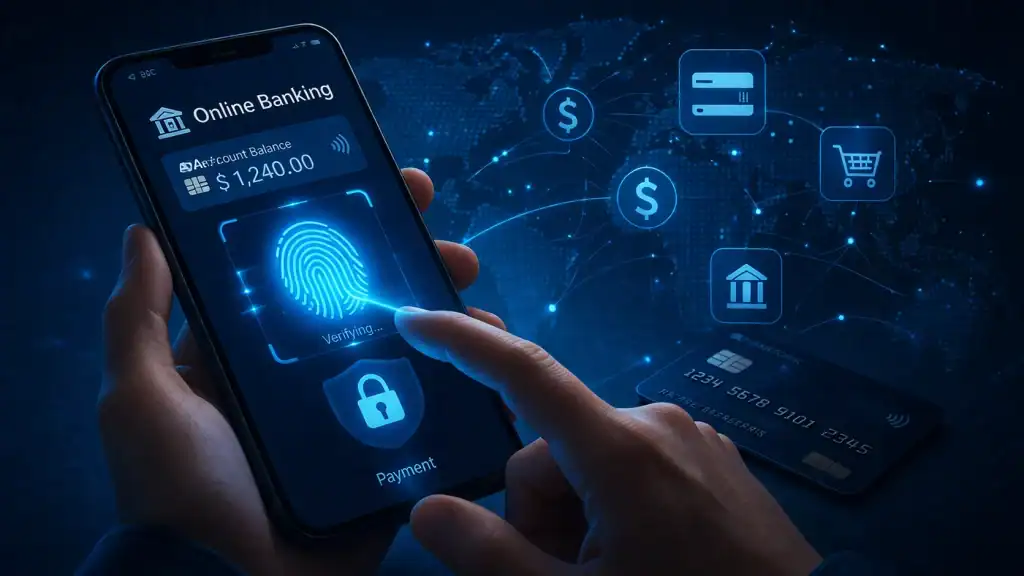
Biometrics has become one of the biggest stories in digital security because it is moving from convenience feature to frontline defense. In 2024, the conversation around identity protection expanded beyond fingerprints and facial scans. Companies began leaning more heavily on biometric authentication to secure cloud platforms, mobile banking, healthcare systems, and remote work environments. At the same time, growing concerns over AI-generated fraud pushed biometrics into the spotlight as a practical response to identity manipulation and impersonation. IBM explains that biometric authentication verifies identity through physical or behavioral traits rather than passwords, which are easier to steal or reuse.
What makes this shift especially important is that biometrics is no longer just about logging in faster. It is being used to strengthen trust. As deepfake fraud and synthetic identities become more convincing, biometric systems are being designed to check for liveness, detect inconsistencies, and confirm that a real person is present. That turns biometrics from a nice extra into a core digital security tool. The World Economic Forum and Veriff both highlight how biometric verification is increasingly central to defending against identity-based fraud and manipulated media.
When and Where
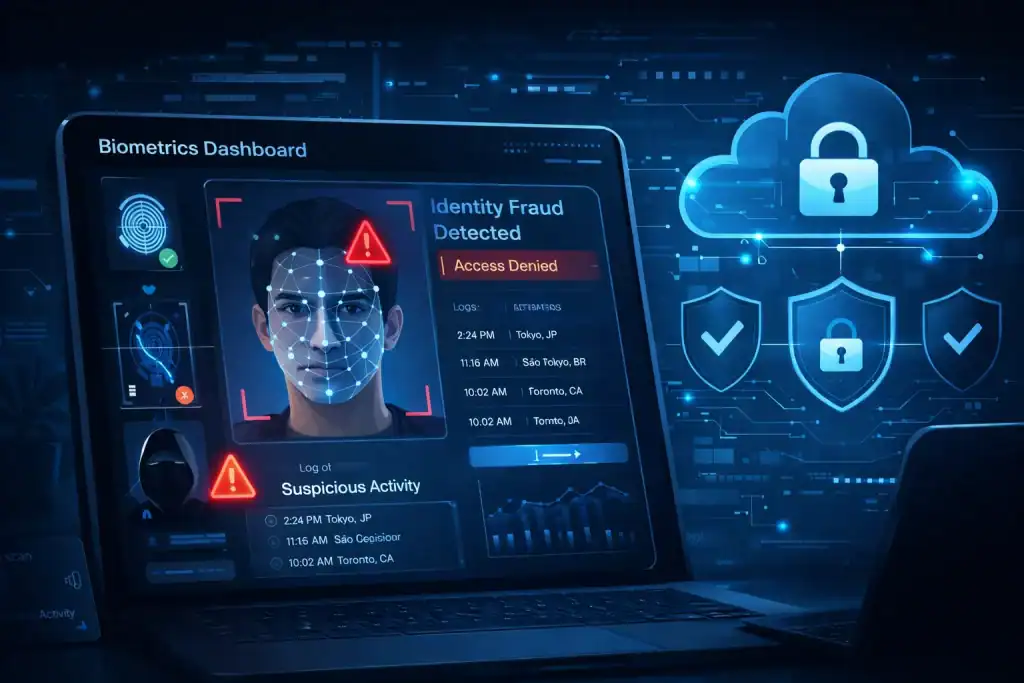
These developments gained momentum throughout 2024 across industries that depend on secure digital access, especially banking, healthcare, ecommerce, and cloud-based services. The shift is global rather than local. From remote employee logins to consumer payment systems, biometric tools are being deployed anywhere trust needs to be verified quickly. Much of the momentum is tied to the broader rise of digital-first services, where users expect fast access without sacrificing protection. As more systems move online, biometrics is showing up everywhere people work, shop, bank, and communicate. It is especially visible in mobile-first markets, where smartphones have become the main gateway for finance, identity checks, and daily transactions. In large enterprises and small businesses alike, adoption is accelerating because security teams need faster, more reliable ways to verify users across multiple platforms and devices.
Who is Involved
A wide mix of players is driving this change. Technology providers such as IBM, Microsoft, and identity verification companies like Veriff are shaping how biometrics is used in real-world systems. Financial institutions are adopting it to fight fraud, while hospitals and healthcare networks use it to protect patient records and control access. Industry voices are also helping spread awareness. Even social content, such as the X post from Celero Commerce, reflects how biometrics is becoming part of the everyday conversation around safer digital transactions and smarter identity checks. Regulators, cybersecurity teams, app developers, and device manufacturers are also deeply involved, since biometric tools need to balance convenience, compliance, and privacy. At the center of it all are everyday users, whose trust and willingness to adopt these systems will ultimately shape how far biometric security can go.
Why Biometrics Matters
The real reason biometrics matters is simple: passwords are wearing out their welcome. People forget them, reuse them, and store them in risky places. Biometrics replaces that fragile model with something more personal and far harder to fake. Instead of asking, “What do you know?” it asks, “Who are you?” That is a powerful shift.
In cloud environments, biometrics helps reduce the chance that stolen credentials will be enough to access sensitive files or systems. In banking, it can add another layer between a criminal and a customer’s account. In healthcare, it helps ensure the right person reaches the right information at the right time. Microsoft has also emphasized identity-centered access for healthcare records, where secure authentication supports better data protection.
Biometrics also matters because digital deception is getting better. Deepfakes are no longer just strange internet curiosities; they are becoming real security threats. Veriff reported growing concern over manipulated identity content, while the World Economic Forum has warned that deepfake-enabled fraud is becoming more sophisticated. Biometrics helps counter that threat by checking facial movement, voice patterns, and liveness signals that fake content often struggles to reproduce convincingly.
There is also a human side to this. Most people do not wake up excited to manage another password. They just want safe, smooth access to the tools they use every day. That is why biometrics feels so compelling. It strengthens protection without adding more friction. It is one of the rare security upgrades that can make life feel easier, not harder.
Quotes or Statements
One of the clearest ways to understand the value of biometrics comes from how experts describe it. IBM notes that biometric authentication is based on who the user is, not on something they remember or carry. That distinction helps explain why the technology feels more resilient in today’s risk-heavy digital environment.
The World Economic Forum has also stressed that biometric technology can help people and organizations prove identity in an increasingly fake online world, especially as AI-generated impersonation grows more convincing. Veriff’s reporting adds another layer, showing how rising deepfake activity is pushing businesses to invest in stronger trust infrastructure.
For a lighter industry snapshot, the Celero Commerce X post points to the same larger idea: biometric verification is becoming a practical way to make digital payments and identity checks more secure in everyday life.
Conclusion
Biometrics is no longer a futuristic add-on. It is becoming a core part of digital security because it blends stronger protection with everyday convenience. From cloud access to fraud prevention and deepfake detection, the technology is helping businesses and users navigate a more complex online world with greater confidence. Looking ahead, the most exciting developments will likely come from multi-layered biometric systems that are more accurate, privacy-conscious, and harder to fool. In digital security, biometrics is quickly becoming the feature people trust most.