
Predictive maintenance is revolutionizing the industrial IoT landscape, offering groundbreaking ways to optimize operations, reduce costs, and enhance productivity. With the industrial sector rapidly embracing smart technologies, predictive maintenance has become a core capability rather than an experimental approach. Organizations now view it as a strategic asset that supports long-term operational resilience.
As factories, plants, and infrastructure systems become more connected, the volume of machine data continues to grow. It uses this data to transform raw signals into actionable insights. Instead of reacting to failures, teams can anticipate issues and plan interventions more effectively. Industry professionals and technology observers are witnessing a clear shift from traditional maintenance models to data-driven decision-making that prioritizes reliability and efficiency.
What Happened
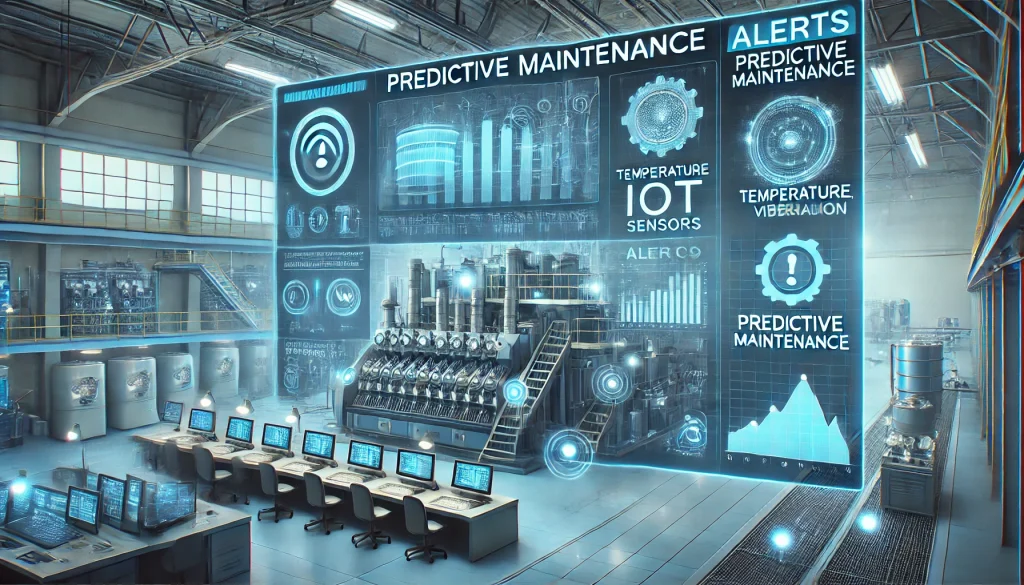
Recent advancements in predictive maintenance within industrial IoT are reshaping the sector at a rapid pace. Organizations are increasingly adopting AI-driven tools, machine learning models, and real-time analytics to detect early signs of equipment degradation. These technologies analyze patterns across vibration data, temperature readings, pressure levels, and operational cycles to forecast failures with increasing accuracy.
Major technology providers such as GE, Siemens, and IBM have introduced advanced platforms that integrate predictive maintenance directly into industrial workflows. These platforms combine sensor data with historical maintenance records, enabling more precise predictions. As a result, maintenance teams can shift from routine schedules to condition-based interventions that reduce unnecessary inspections.
The integration of predictive maintenance tools with IoT sensors has also improved operational visibility. Continuous monitoring allows teams to track asset health across entire facilities or distributed locations. This capability reduces unplanned downtime, improves worker safety, and supports better resource allocation. Industries including manufacturing, energy, utilities, and logistics are using these systems to increase reliability while maintaining operational flexibility.
When and Where
Adoption of maintenance accelerated significantly in late 2023 as industrial organizations recovered from supply chain disruptions and workforce constraints. Companies began prioritizing technologies that could maximize uptime without increasing labor demands. This shift has continued into global markets, driven by rising energy costs and stricter efficiency targets.
Industrial hubs in North America, Europe, and Asia are leading implementation efforts. Manufacturing centers in Germany, the United States, China, and Japan have integrated predictive maintenance into smart factory initiatives. These developments have been highlighted at international events such as the IoT Tech Expo in Amsterdam and Industrial Internet Consortium meetings in California. Such forums demonstrate how predictive maintenance has become a shared global focus rather than a region-specific trend.
Who is Involved
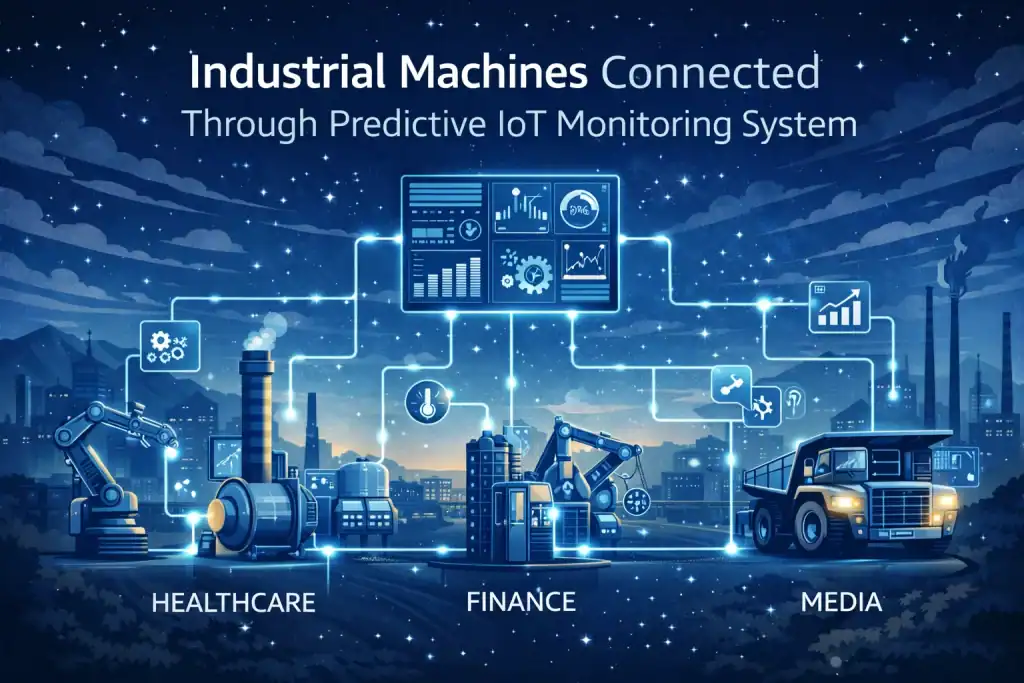
A broad ecosystem of organizations is shaping the evolution of predictive maintenance in industrial IoT. Technology companies like Honeywell, Hitachi, and Microsoft are providing cloud platforms, analytics engines, and integration tools that support large-scale deployments. Their solutions help bridge the gap between operational technology and information technology.
Academic institutions and research centers also play a critical role. Organizations such as MIT and the Fraunhofer Institute contribute by developing advanced algorithms, digital twin models, and reliability frameworks. Collaboration between enterprises, researchers, and startups accelerates innovation and shortens the path from research to real-world application. This shared effort ensures maintenance systems continue to improve in accuracy and scalability.
Why It Matters

Predictive maintenance is a foundational element of Industry 4.0 because it aligns technology with operational outcomes. Its integration with IoT and AI delivers measurable benefits, including reduced maintenance costs, improved asset availability, and extended equipment lifespan. These advantages directly support competitiveness in industries with tight margins.
For operations that rely on heavy or complex machinery, unexpected breakdowns can halt production and disrupt supply chains. Predictive maintenance reduces this risk by identifying anomalies early. By analyzing machine behavior over time, systems can alert teams before minor issues escalate into major failures. This proactive approach improves planning and minimizes emergency repairs.
Environmental impact is another important factor. Efficient maintenance reduces energy waste and material consumption. By extending asset life and optimizing performance, predictive maintenance supports sustainability objectives and helps organizations lower their carbon footprint. As industries adopt interconnected systems and smart infrastructure, predictive maintenance becomes essential for long-term operational and environmental performance.
Quotes or Statements
Siemens CTO Dr. Roland Busch stated:
“Predictive maintenance, powered by AI and IoT, is transforming industrial operations. It enables businesses to anticipate challenges, maximize uptime, and move closer to zero-defect manufacturing.”
Mary Barra, CEO of General Motors, highlighted:
“Our investments in predictive technologies are reducing maintenance costs across our production lines, ensuring a safer and more productive environment for our teams.”
Conclusion
Predictive maintenance is no longer a future concept but a practical requirement within industrial IoT. Its ability to forecast failures, optimize maintenance schedules, and improve productivity makes it a cornerstone of modern operations. Organizations that adopt predictive maintenance gain greater control over asset performance and operational risk.
As analytical models become more sophisticated and sensor networks expand, predictive maintenance solutions will continue to evolve. Industries can expect deeper integration with automation systems, stronger decision support, and broader adoption across facilities of all sizes. In this environment, predictive maintenance stands as a critical driver of efficiency, resilience, and sustainable industrial growth. This continued evolution positions predictive maintenance as a long-term enabler of smarter decision-making, resilient infrastructure, and data-driven industrial excellence worldwide.
FAQ
How does predictive maintenance benefit industrial IoT?
It enhances industrial IoT by enabling real-time monitoring, reducing unplanned downtime, and optimizing equipment performance. It leverages IoT sensors and AI algorithms to anticipate equipment failures, ensuring efficient operations and cost savings.
What industries benefit the most from predictive maintenance?
Industries such as manufacturing, energy, logistics, and automotive benefit significantly. These sectors rely on heavy machinery and complex systems where unplanned downtime can lead to substantial losses. It helps mitigate risks and enhances productivity.
Is it cost-effective for small businesses?
Yes, it can be cost-effective for small businesses, especially with cloud-based and scalable solutions now available. These technologies offer affordable options for smaller enterprises to enhance reliability and operational efficiency without requiring significant upfront investments.
Resources
- Fiix Software. Learn more about predictive maintenance strategies.
- C3 AI. Explore how AI powers predictive maintenance.
- Facilio. Insights into real-world applications of predictive maintenance.
- ScienceDirect. Delve into predictive maintenance research.
- Oracle. Discover predictive maintenance solutions from Oracle.