
SOC 2 Compliance has a reputation for being dry, complex, and painfully bureaucratic. The first time I helped a team prepare for it, the mood was somewhere between confusion and mild panic. Policies everywhere. Security tools half-configured. And a shared fear of “failing” an audit we didn’t fully understand.
But here’s the thing most guides don’t tell you: SOC 2 Compliance isn’t about being perfect. It’s about showing that you’re responsible, consistent, and honest about how you protect customer data. In the Cybersecurity world, that matters more than flashy promises.
Whether you’re a SaaS founder, IT manager, or security professional, SOC 2 Compliance helps you build trust, close deals faster, and reduce real-world risk. It forces you to tighten weak spots before attackers do. This guide breaks the process down into clear, manageable steps so you can move forward with confidence instead of stress.
SOC 2 Compliance Materials or Tools Needed
Before you touch a policy or talk to an auditor, it helps to know what you actually need. SOC 2 Compliance is less about buying expensive software and more about organizing what you already have.
At a minimum, you’ll need documentation, visibility into your systems, and people who understand how your data flows. Many teams also choose compliance automation platforms to reduce manual work and human error.
Key materials and tools include:
- Written security and operational policies
- An inventory of systems, applications, and vendors
- Risk assessment documentation
- Logging and monitoring tools
- A centralized place to store audit evidence
| Material or Tool | Why It Matters |
|---|---|
| Security policies | Proves your intentions and standards |
| Asset inventory | Shows where customer data lives |
| Risk assessment | Identifies gaps and priorities |
| Monitoring tools | Demonstrates ongoing oversight |
| Compliance software | Saves time and reduces stress |
Having these ready early makes every step that follows far smoother.
SOC 2 Compliance Instructions
Step 1: Define Scope and Trust Principles
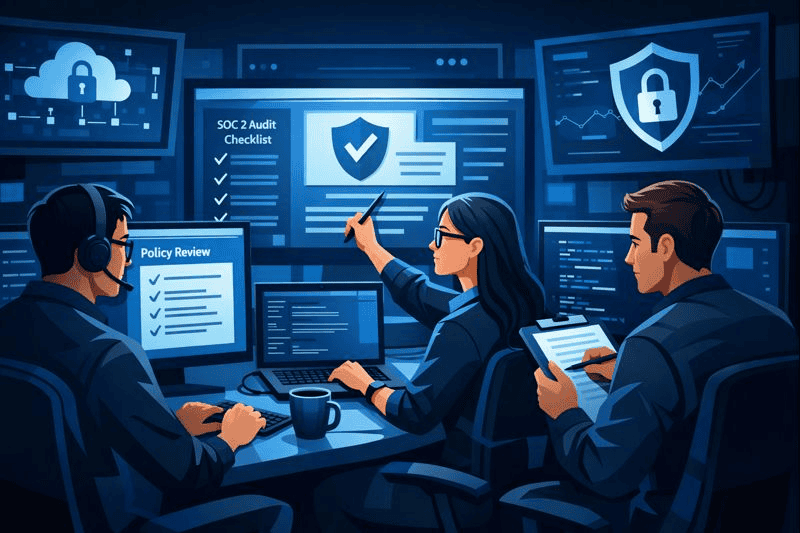
The biggest mistake teams make is trying to cover everything at once. SOC 2 Compliance starts with scoping. Decide which Trust Services Criteria you’ll include. Most first-time audits focus on Security, then expand later.
Next, identify which systems, applications, and processes handle customer data. This includes cloud providers, internal tools, and third-party vendors. When we scoped our first audit, we discovered an old testing environment that still had production data. It wasn’t malicious, just forgotten. Catching it early saved us serious trouble later.
Clear scope keeps the audit focused and realistic. It also prevents unnecessary work that doesn’t actually reduce risk.
Step 2: Perform a Risk Assessment
A risk assessment sounds formal, but it’s really just structured honesty. You’re identifying where things could go wrong and how bad the impact would be if they did.
Look at risks like unauthorized access, data loss, downtime, and vendor failures. Consider both technical threats and human ones. Many breaches don’t come from advanced exploits but from basic Hacking techniques like weak passwords or phishing.
Document each risk, its likelihood, and how you mitigate it. Auditors don’t expect zero risk. They expect awareness and thoughtful responses. This step also helps you prioritize improvements instead of guessing where to start.
Step 3: Create and Refine Policies
Policies are the backbone of SOC 2 Compliance. They explain how your organization behaves when no one is watching.
You’ll need policies for access control, incident response, data handling, vendor management, and change management. Write them in plain language. If your team can’t understand a policy, they won’t follow it.
Avoid copying templates blindly. Auditors often spot mismatches between written policy and real behavior. For example, if your policy mentions quarterly reviews, make sure they actually happen. This is especially important as new threats like Deepfakes increase social engineering risks.
Step 4: Implement Security Controls
Now it’s time to back up words with action. Implement technical and administrative controls that match your policies. This usually includes:
- Multi-factor authentication
- Least-privilege access
- Encryption of sensitive data
- Secure backups
- Centralized logging
One overlooked area is system updates. Unpatched systems are still one of the most common entry points for attackers. A missed Windows Update can undo months of careful preparation.
Remote teams should also secure network access. Many organizations rely on trusted tools like Express VPN to protect connections outside the office. The key is consistency. Controls should be applied the same way, every time.
Step 5: Collect Evidence and Monitor Continuously
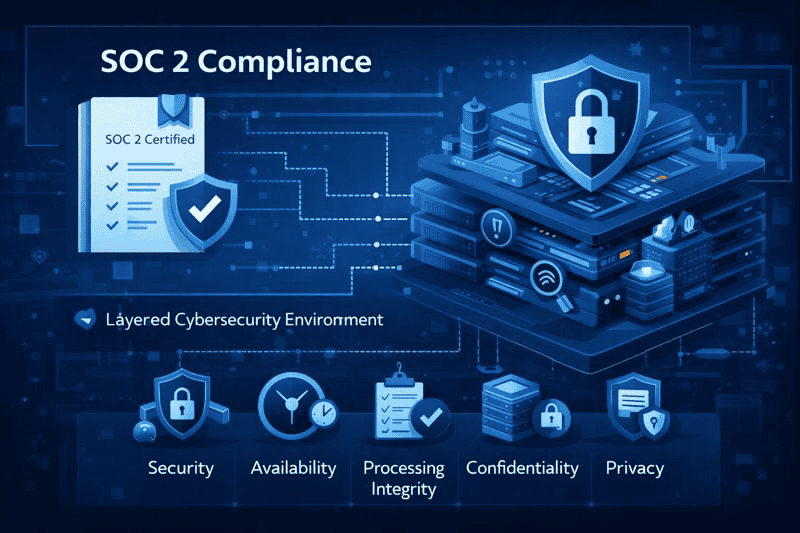
SOC 2 Compliance isn’t a snapshot. It’s a story told over time. Start collecting evidence early and consistently.
Evidence includes access logs, screenshots, reports, training records, and change approvals. Assign owners to each control so accountability is clear. When something fails, document what happened and how you fixed it.
Continuous monitoring also strengthens your overall Cybersecurity posture. You’re not just preparing for an audit. You’re building habits that reduce real-world incidents.
Step 6: Prepare for the Audit
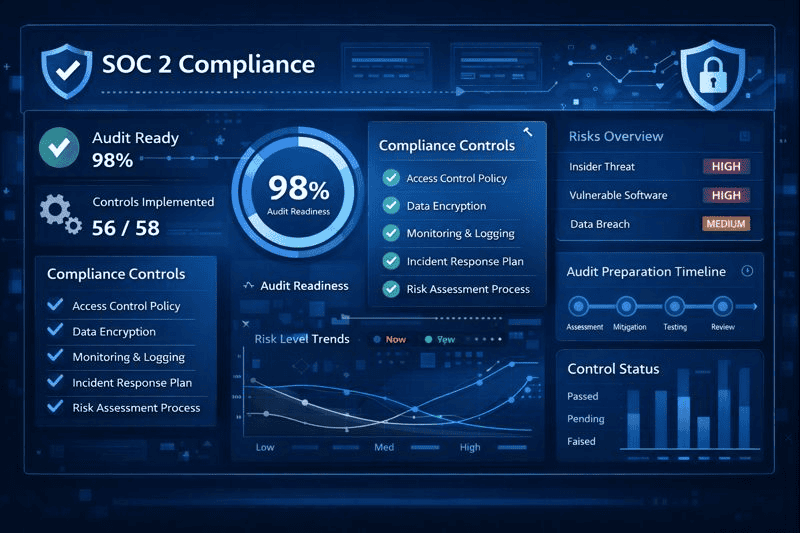
Choose an auditor with experience in your industry. Before the official audit, conduct a readiness assessment. This dry run highlights gaps while there’s still time to fix them.
During the audit, respond promptly and honestly. If a control isn’t perfect, explain why and show your remediation plan. Auditors value transparency. They’re evaluating maturity, not perfection.
Most teams find the first audit stressful but manageable. Each year after that gets easier.
SOC 2 Compliance Tips and Warnings
SOC 2 Compliance works best when it’s treated as an ongoing program, not a one-time project. Small, steady improvements beat frantic last-minute fixes.
One major warning is underestimating vendor risk. If a third party mishandles data, your organization is still accountable. Another common mistake is building controls that slow teams down without improving security. Complexity isn’t the goal. Reliability is.
Here are some practical tips to keep you on track:
| Tip or Warning | Why It Matters |
|---|---|
| Assign a single owner | Prevents confusion and delays |
| Keep policies realistic | Auditors test what you do, not what you promise |
| Automate evidence collection | Reduces manual errors |
| Review vendors regularly | Third parties expand your risk surface |
| Avoid “audit-only” fixes | Shortcuts don’t last |
Remember, SOC 2 Compliance should make your organization stronger, not more fragile.
Conclusion
SOC 2 Compliance can feel overwhelming at first, but it’s far more manageable when broken into clear steps. Define your scope, assess risks, document honestly, implement practical controls, and prepare thoughtfully for the audit.
Beyond the report, the real value is operational clarity and stronger defenses. You’ll know where your data lives, who can access it, and how you respond when something goes wrong. If you’ve been putting this off, start today. Even small progress builds momentum.
FAQ
What is SOC 2 Compliance in Cybersecurity, and who needs it?
SOC 2 Compliance is a framework that evaluates how organizations protect customer data. In Cybersecurity, it’s especially relevant for SaaS companies, cloud providers, and any business handling sensitive information. Customers increasingly expect it as proof of trust and responsibility.
How long does SOC 2 Compliance take for a first-time audit?
Most organizations take three to six months. The timeline depends on existing controls, documentation maturity, and exposure to Cyber Threats. A readiness assessment can shorten the process significantly by highlighting gaps early.
Is SOC 2 Compliance achievable for small or early-stage companies?
Yes. With clear scope, automation, and consistent habits, small teams can achieve and maintain SOC 2 Compliance. The key is embedding security into daily workflows instead of treating compliance as a once-a-year event.
Resources
- Imperva. What Is SOC 2 Compliance?
- AuditBoard. SOC 2 Framework Guide: The Complete Introduction.
- freeCodeCamp. How to Maintain SOC 2 Compliance.
- Secureframe. What Is SOC 2?
- Rippling. SOC 2 Compliance: A Step-by-Step Guide to Prepare for Your Audit.