
A few years ago, I was reviewing a routine security incident for a mid-sized company. Nothing dramatic at first glance. Then we realized the breach came from a tiny open-source component nobody remembered installing. That moment is when SBOM stopped being an abstract security term and became very real to me. In cybersecurity, visibility is everything, and this concept exists to answer a deceptively simple question: what’s actually inside your software?
With supply chain attacks rising, from large enterprises to small startups, understanding it is no longer optional. It helps organizations see hidden risks, respond faster to vulnerabilities, and build trust with users. If you’ve ever updated software blindly or trusted a third-party library without checking its origins, this guide will help you understand why that’s risky and how this approach changes the game.
What is SBOM
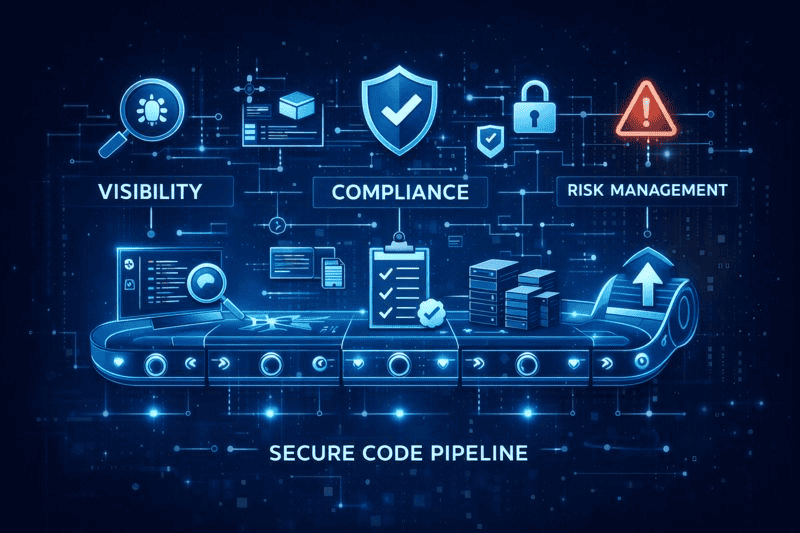
An SBOM (Software Bill of Materials) is a complete, structured list of everything that goes into a software product. That includes open-source libraries, third-party components, internal modules, and their exact versions. If software were a meal, this would be the ingredient label on the back of the box.
What makes an SBOM so important in cybersecurity is visibility. Most modern applications are built on layers of code written by different people, often across the globe. Developers may trust these components, but trust alone doesn’t stop vulnerabilities. When a flaw is discovered in a commonly used library, teams need to know immediately whether they’re exposed.
It also serves as a shared reference point. Security teams use it to assess risk, developers use it to manage dependencies, compliance teams use it to verify licensing, and customers use it to evaluate vendor transparency. In short, it turns software from a black box into something you can actually inspect and understand.
Breaking Down SBOM
To really understand SBOM, it helps to slow down and unpack what it includes. Modern software isn’t built from scratch. It’s assembled. Developers pull in open-source libraries, third-party APIs, frameworks, and internal code, all layered together. Each layer introduces potential risk.
It typically lists component names, versions, suppliers, cryptographic hashes, and known dependencies. This matters because when a vulnerability is announced, teams can quickly check whether they’re affected instead of scrambling. During high-profile incidents involving Cyber Threats, companies without this visibility often lose days just figuring out exposure.

I once worked with a team that relied heavily on automated updates, assuming everything was safe. A compromised library slipped through during a Windows Update cycle, and without a proper inventory, tracing the issue felt like detective work without clues.
It also plays a role beyond defense. Compliance teams use it to verify licensing. Vendors use it to prove software integrity. Security leaders use it to prioritize patches rather than reacting blindly. Even emerging risks like Deepfakes benefit indirectly because stronger supply chain visibility reduces downstream abuse.
History of SBOM
The concept didn’t appear overnight. It evolved alongside open-source adoption and rising supply chain attacks.
| Year | Milestone |
|---|---|
| 2014 | Early discussions around software transparency |
| 2018 | Major breaches highlight dependency risks |
| 2021 | U.S. Executive Order boosts adoption |
| 2023 | Industry-wide standardization efforts |
Government mandates and industry pressure accelerated adoption after real-world Hacking incidents showed how fragile software ecosystems had become.
Types of SBOM
Design-time SBOM
This type is created while software is still being designed and developed. It helps teams understand which components they plan to use before the code is finalized. It is useful for spotting risky or outdated dependencies early, when changes are easier and cheaper to make.
Build-time SBOM
A build-time SBOM is generated during the compilation or packaging process. It reflects the exact components included in a specific release. This is one of the most common types because it provides an accurate snapshot of what actually ships to users.
Runtime SBOM
Runtime SBOMs focus on what’s actively running in production environments. This matters in cloud and container-based systems where components can change dynamically. Runtime visibility helps teams detect unexpected changes, unauthorized components, or newly introduced vulnerabilities.
How does SBOM work?
An SBOM is usually generated automatically using specialized tools integrated into development pipelines. These tools scan codebases, containers, and binaries, producing machine-readable documents that can be shared internally or with customers.
Pros & Cons
Pros
- Improves visibility into software components and dependencies
- Speeds up vulnerability identification and incident response
- Strengthens software supply chain security
- Supports regulatory, contractual, and licensing compliance
- Builds trust with customers and partners
Cons
- Requires initial setup and tooling investment
- Needs ongoing updates as software changes
- Can create data overload without proper processes
- Effectiveness depends on accuracy and consistency
Uses of SBOM
This isn’t just a compliance checkbox or something security teams talk about in meetings. It’s a working tool that shows up in everyday decisions across engineering, security, and leadership. Below are common, real-world uses that go beyond documentation and into action.
Enterprise Risk Management
Large organizations use SBOM to understand hidden exposure across hundreds or thousands of applications. When a new vulnerability is disclosed, security teams can instantly identify which business units are affected instead of launching company-wide fire drills.
Secure Software Procurement

Procurement teams increasingly require vendors to provide an SBOM before purchasing software. This allows buyers to evaluate supply chain risk upfront and avoid bringing unknown components into sensitive environments.
Incident Response and Forensics
During a security incident, time matters. An SBOM helps responders trace compromised components quickly, determine blast radius, and prioritize containment. Without it, teams often waste critical hours hunting through undocumented dependencies.
Regulatory and Contractual Compliance
Industries like healthcare, finance, and defense use SBOM to meet regulatory expectations and contract requirements. It provides documented proof that software components are known, tracked, and monitored throughout their lifecycle.
DevSecOps Automation
In modern DevSecOps pipelines, SBOM data feeds automated security tools that scan for vulnerabilities continuously. This allows development teams to fix issues early instead of discovering them after deployment.
Mergers and Acquisitions Due Diligence
During acquisitions, companies analyze SBOM data to uncover inherited risks. It helps legal and security teams understand what software liabilities they’re actually buying, not just what’s listed in marketing materials.
Open-Source Governance
Organizations relying heavily on open-source software use SBOM to manage licenses, avoid legal conflicts, and ensure abandoned components don’t silently introduce long-term risk.
Resources
- IBM. What is an SBOM?
- Palo Alto Networks. What Is a Software Bill of Materials?
- TechTarget. Software Bill of Materials Definition
- CrowdStrike. SBOM Explained
- Cybeats. What Is an SBOM?